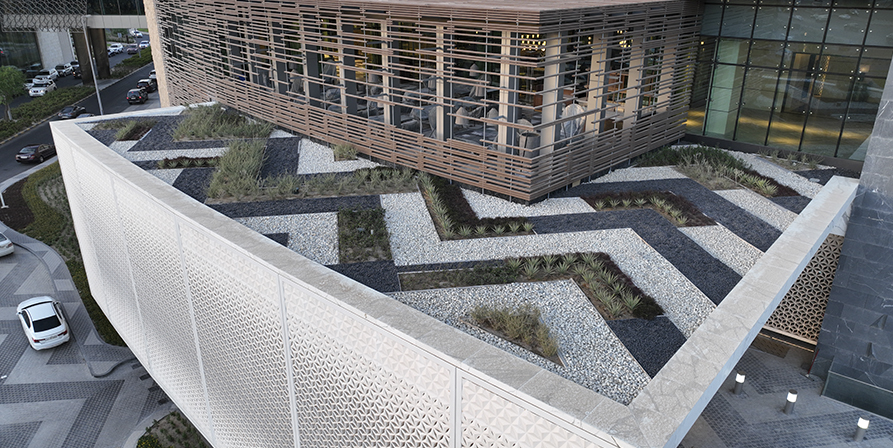
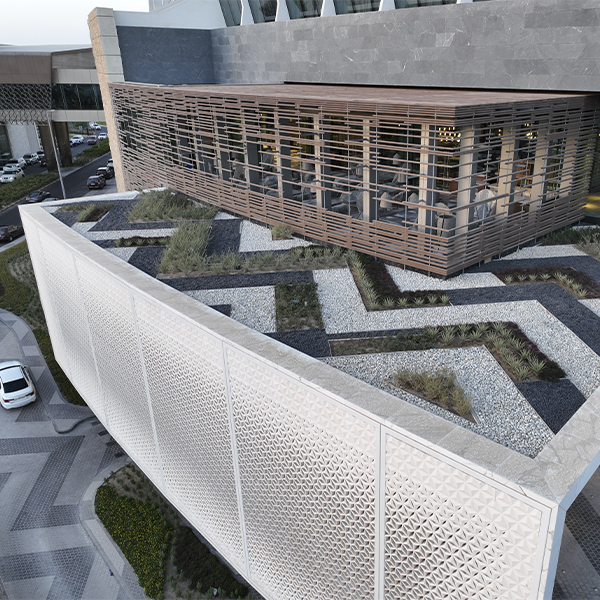
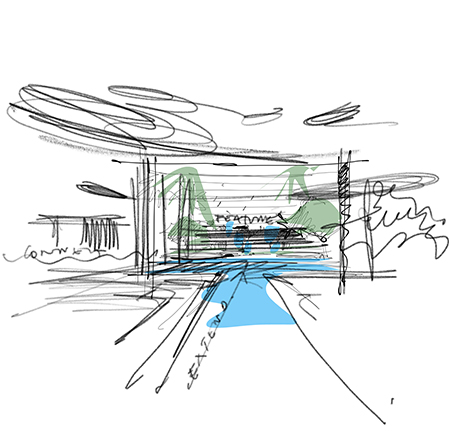
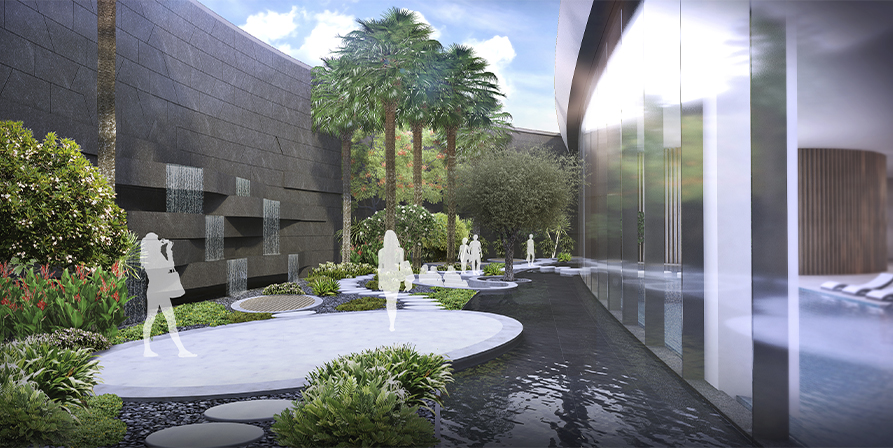
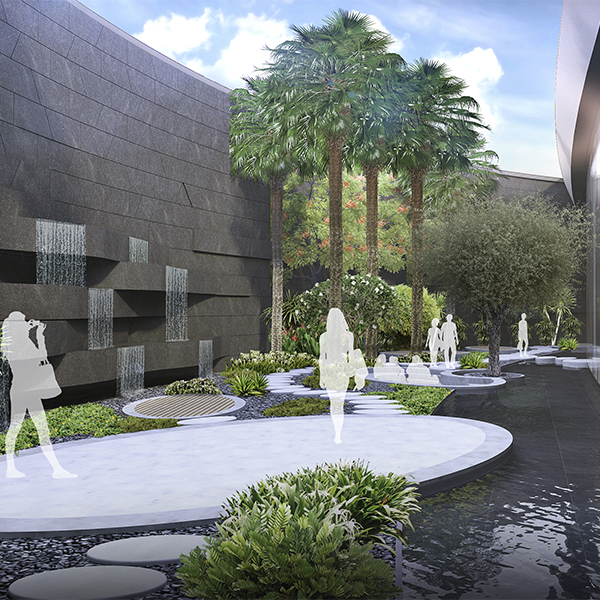
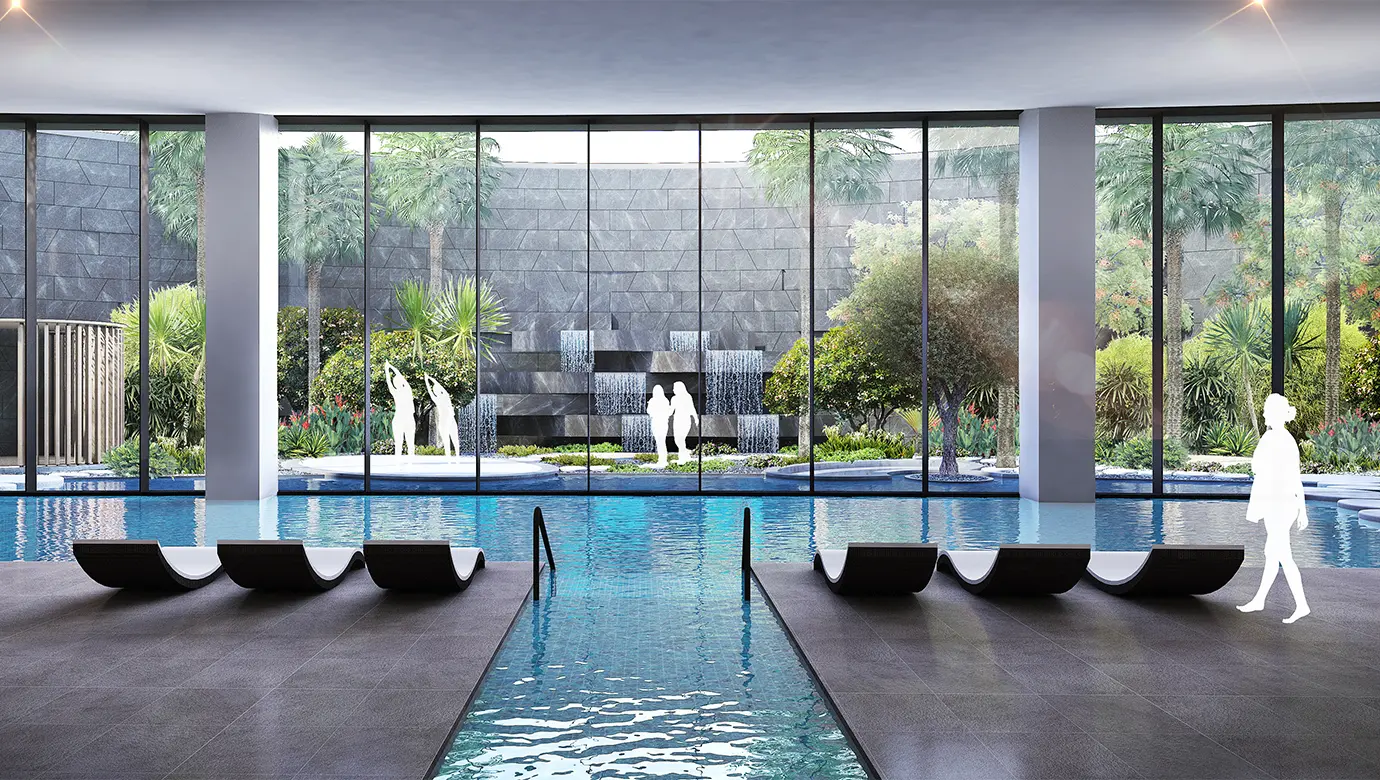
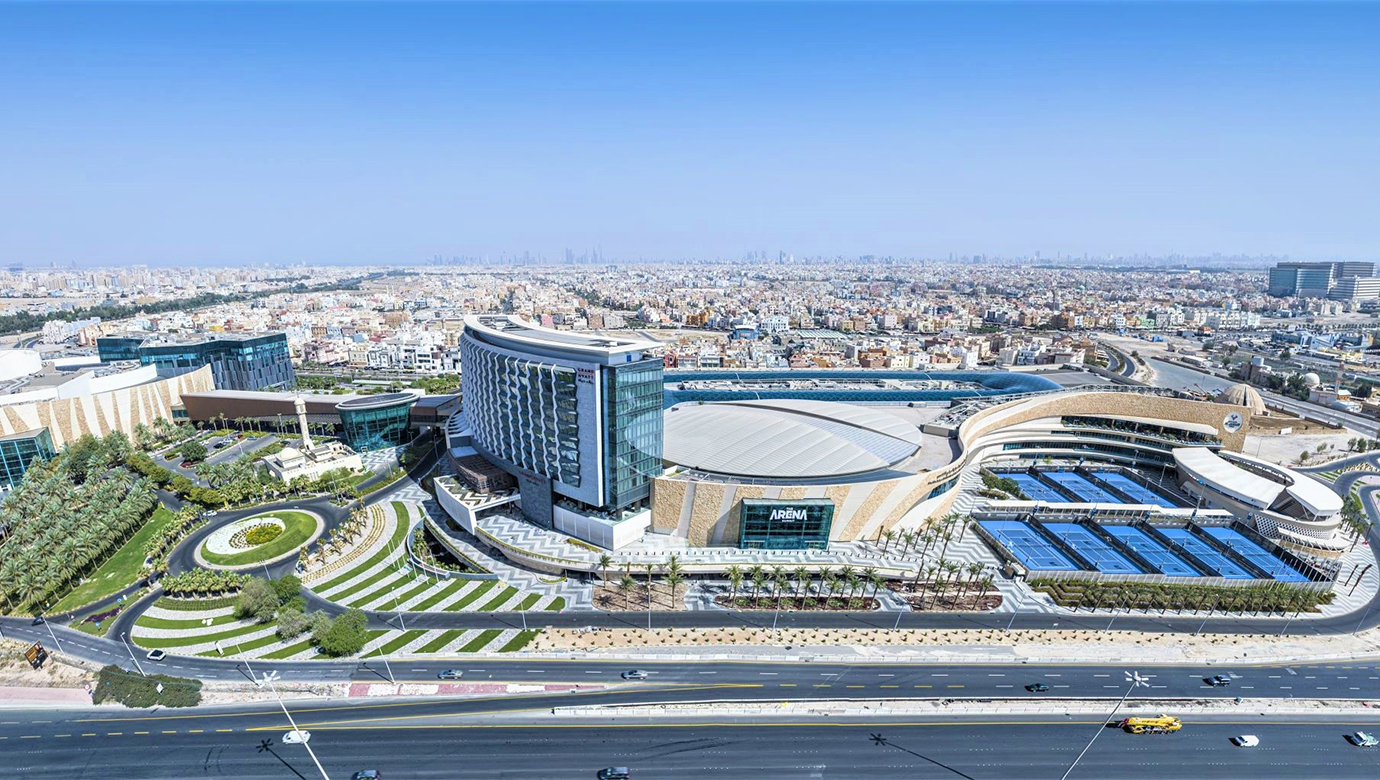
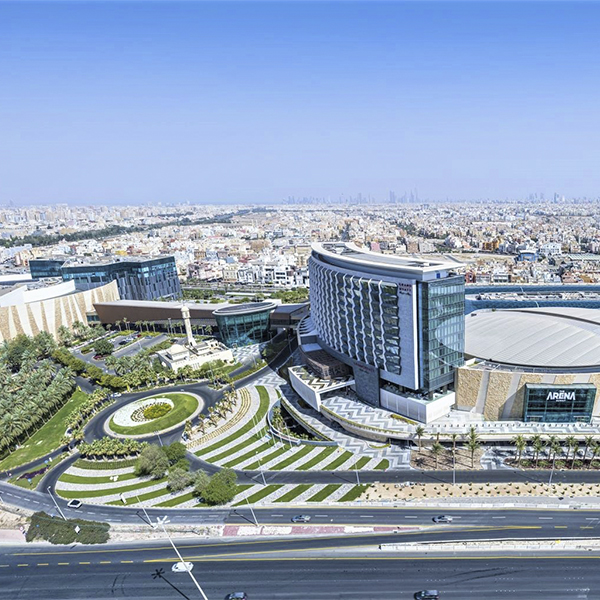
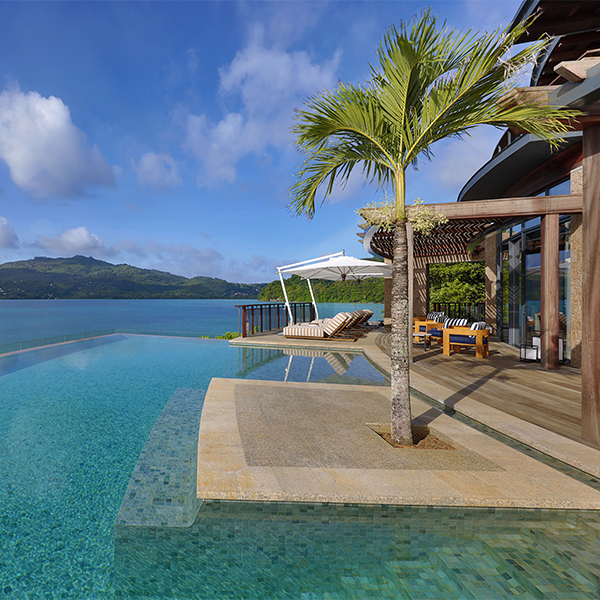
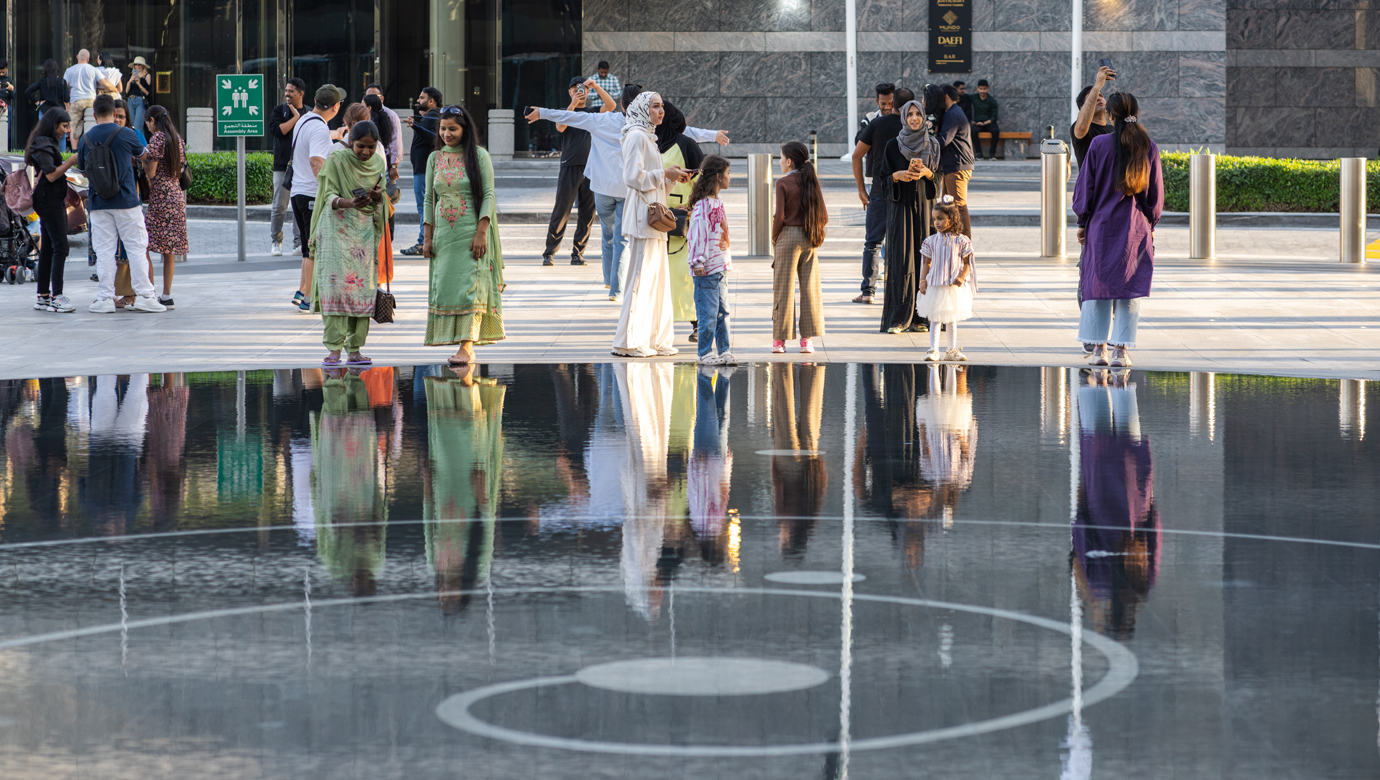
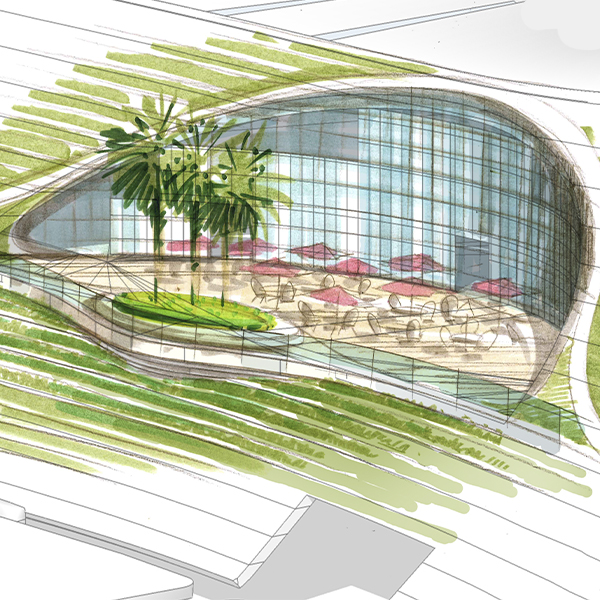
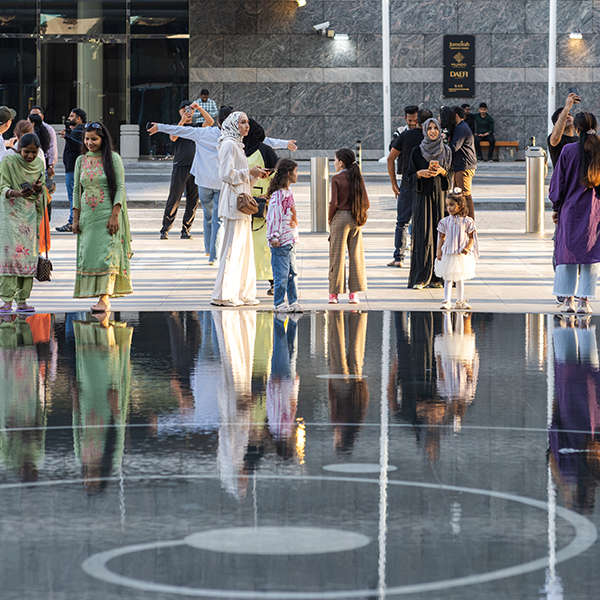
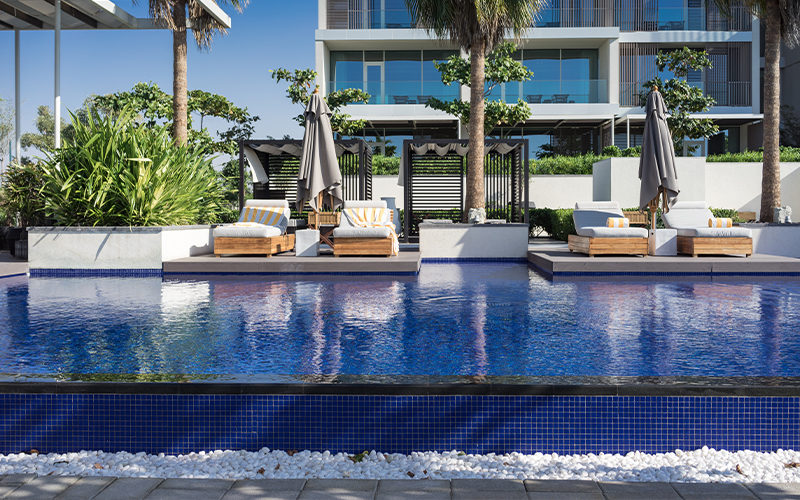
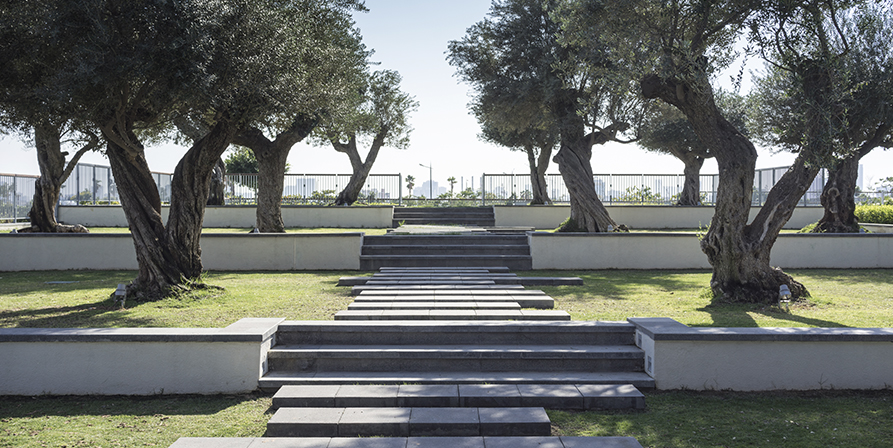
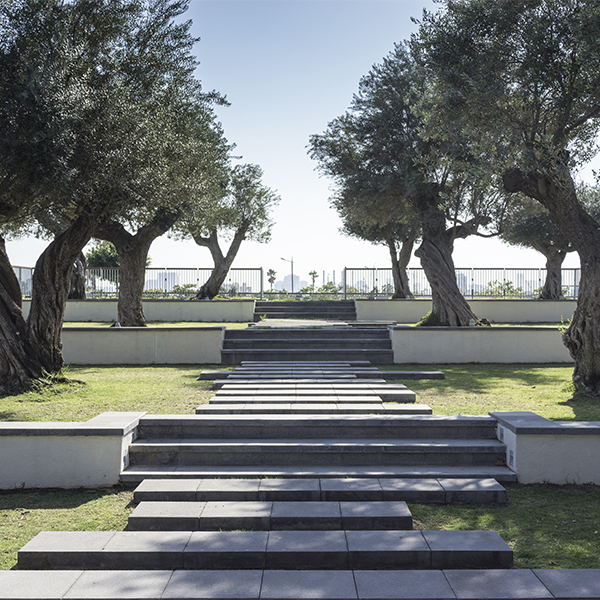
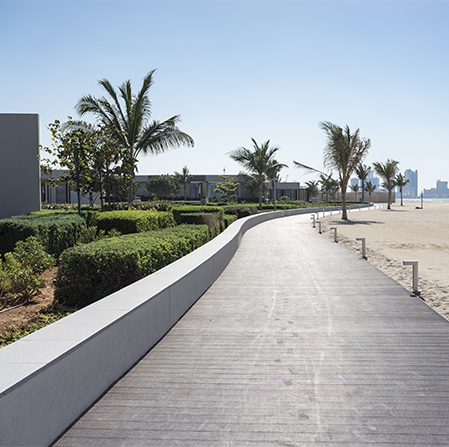
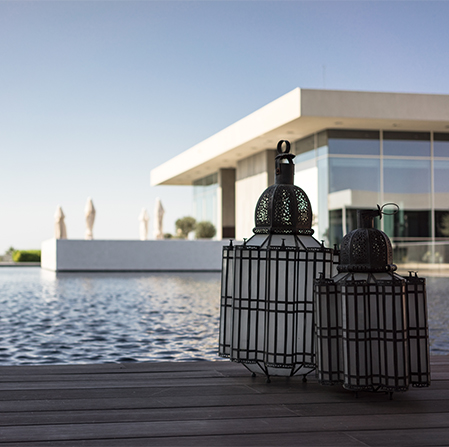
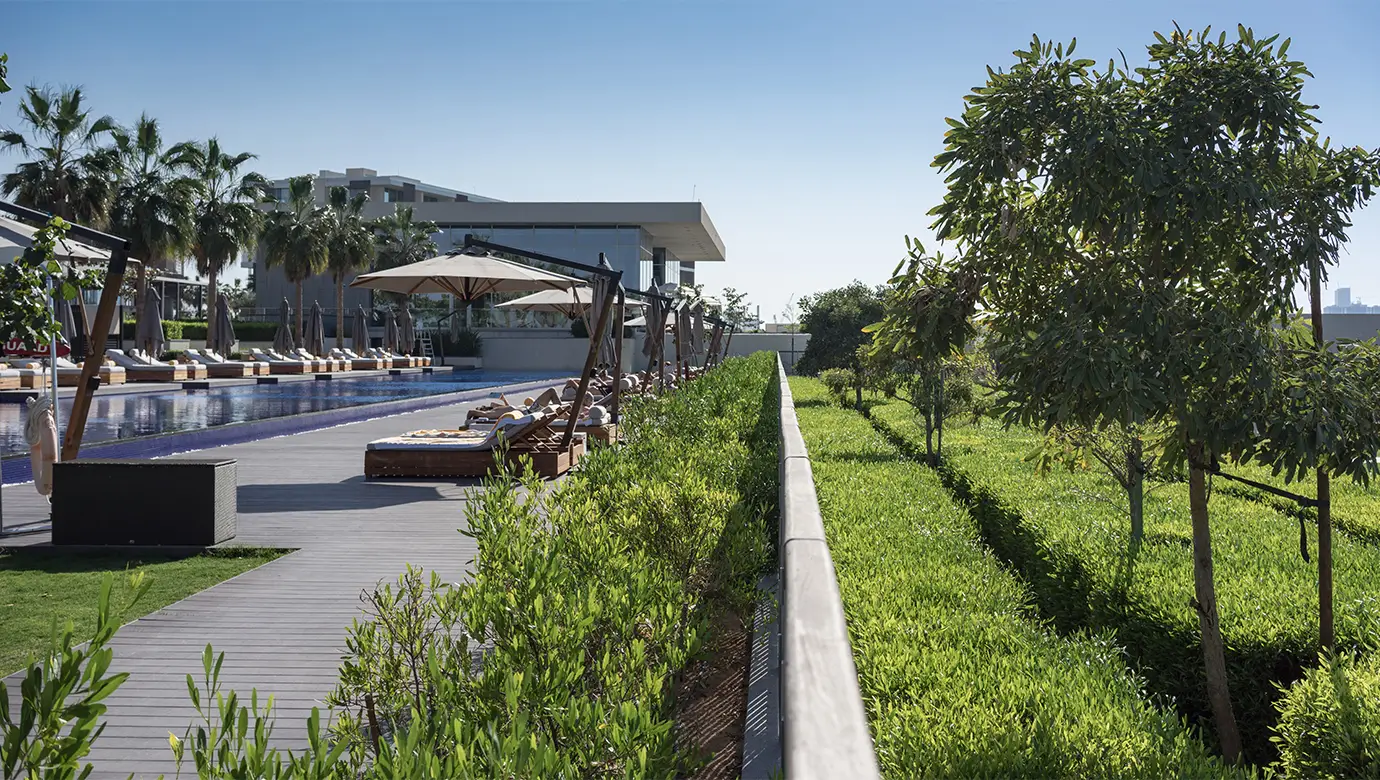
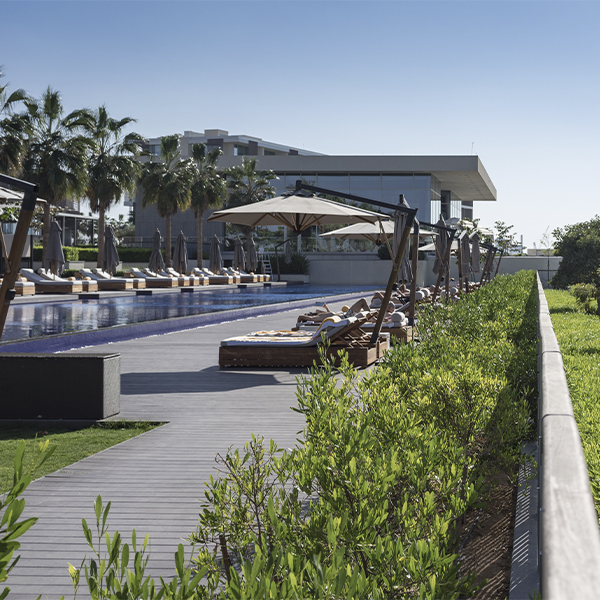
This award-winning Hotel blends with the neighbouring 360 Mall; a fluid and walkable landscape with a bespoke design language effortlessly links the two, and healthy living is further encouraged as the Grand Hyatt also adjoins the Sheikh Jaber Abdullah Al Jaber Al Sabah International Tennis Complex with the world’s second Rafa Nadal Tennis Academy.
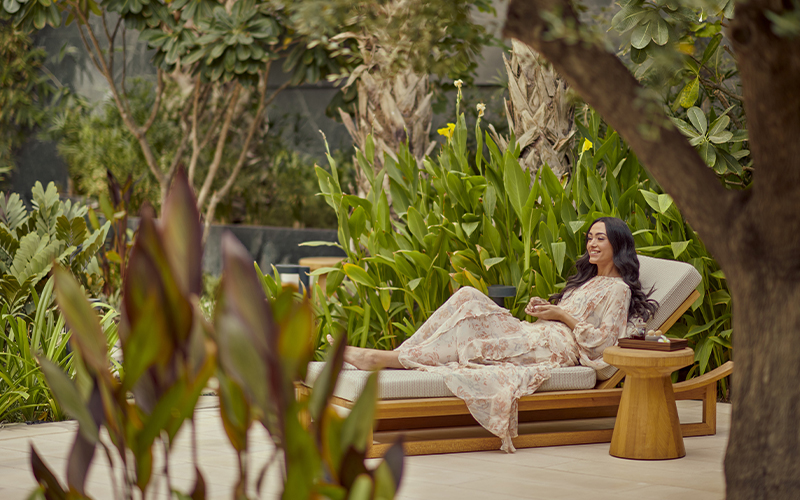
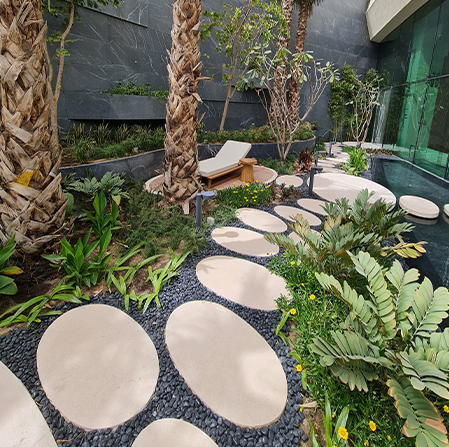
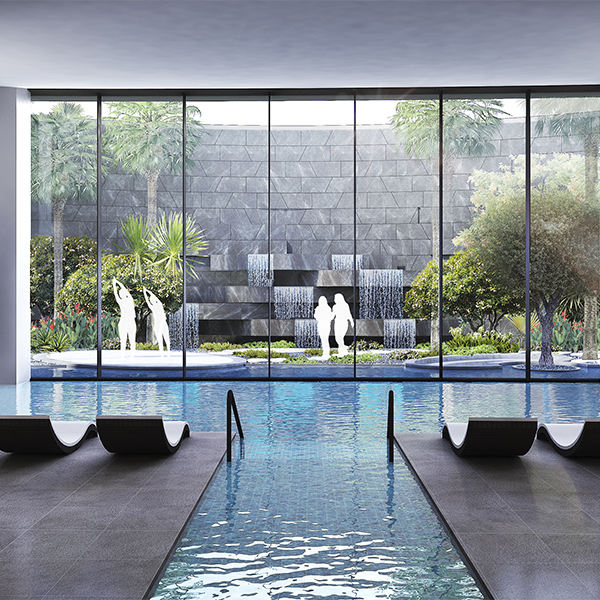
Including an exclusive spa garden, a rigorous shade strategy for the whole development formed the basis of a landscape with thermal comfort as a principal goal, encouraging day round activity and fostering a sense of community.
Hudayriyat Island was once home to Arabian pearl divers. Now, it’s a remarkable new community and lifestyle destination.
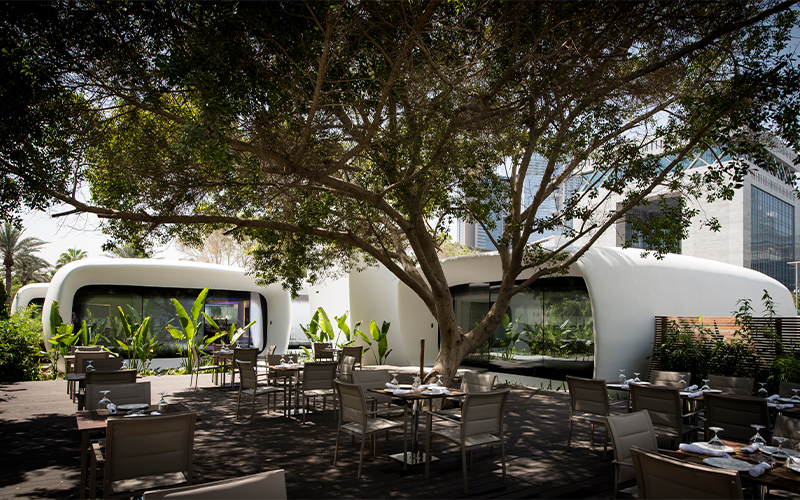
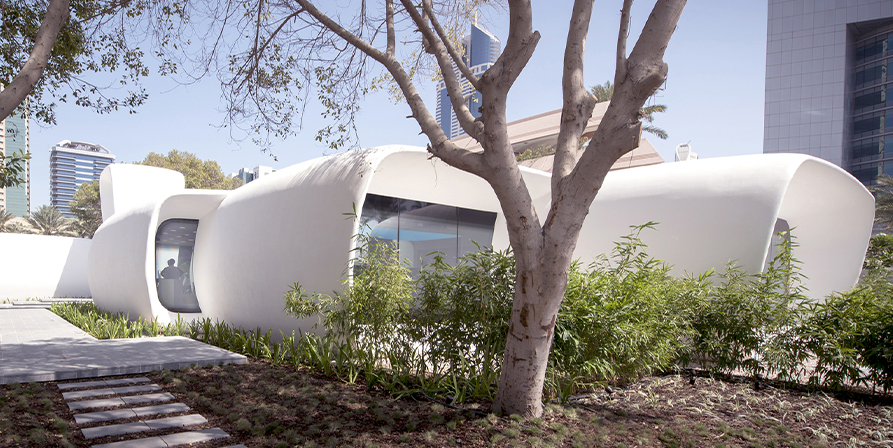
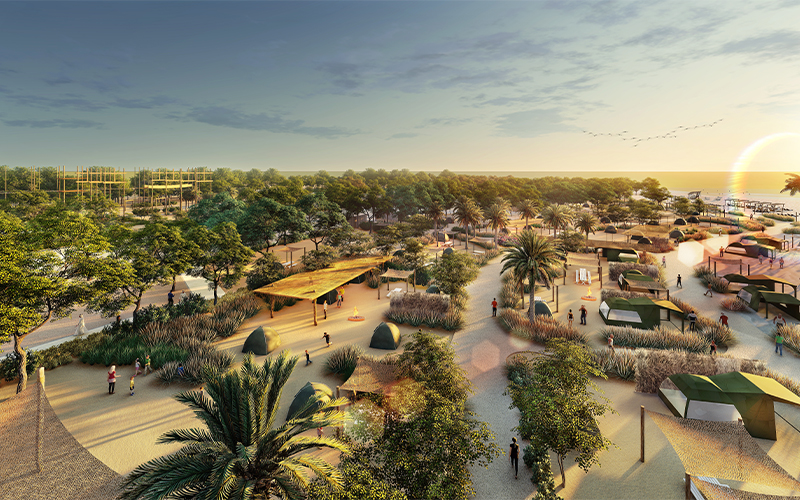
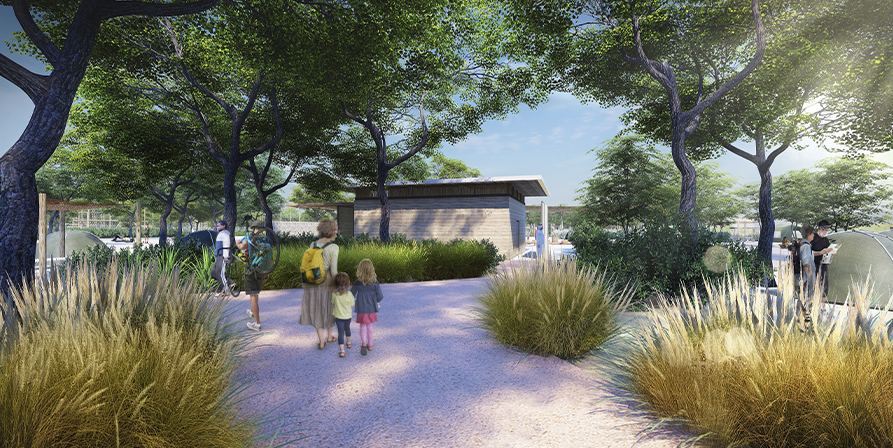
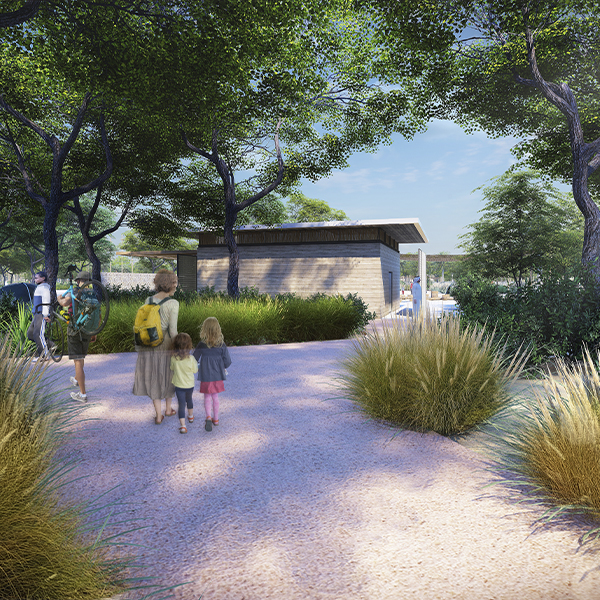
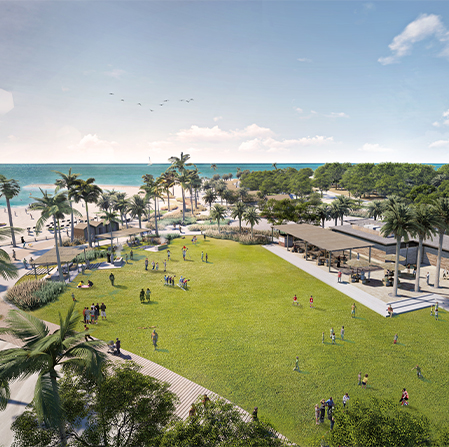
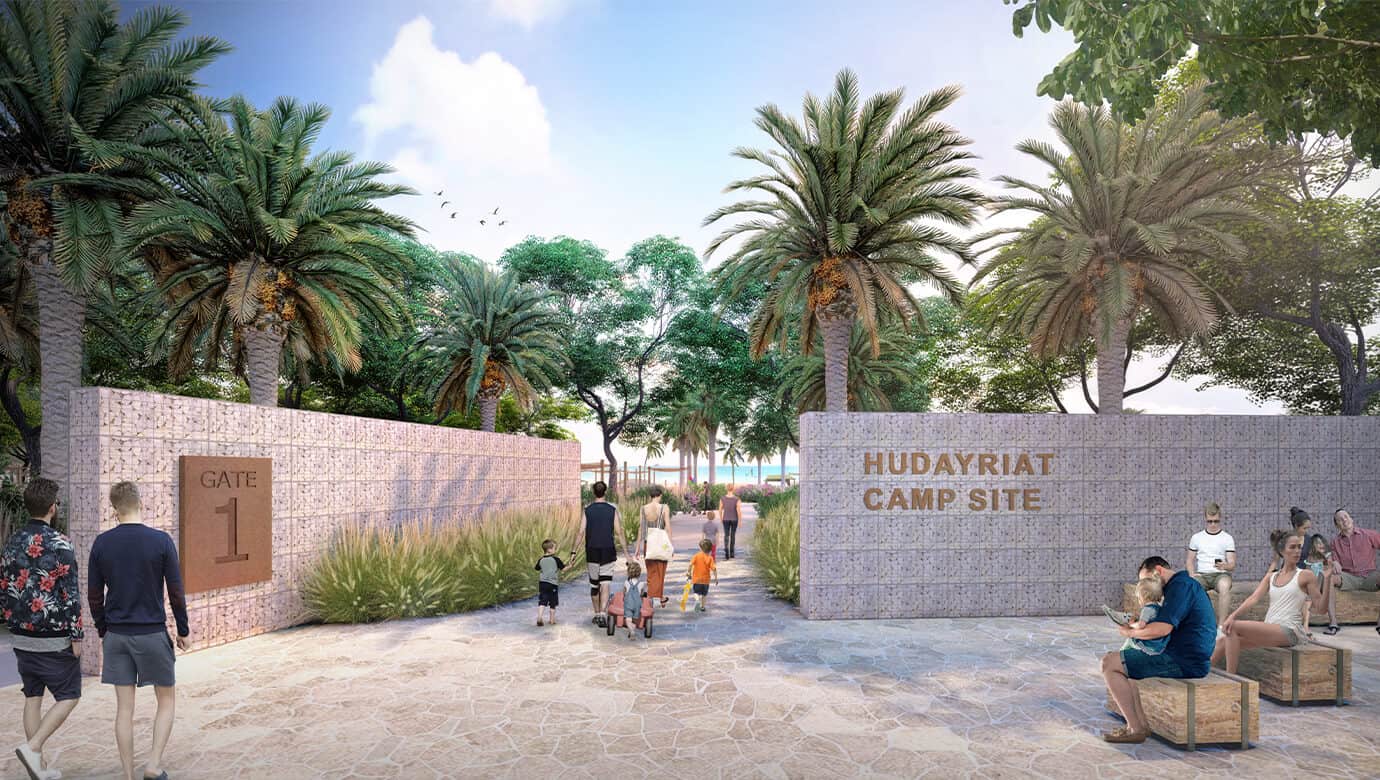
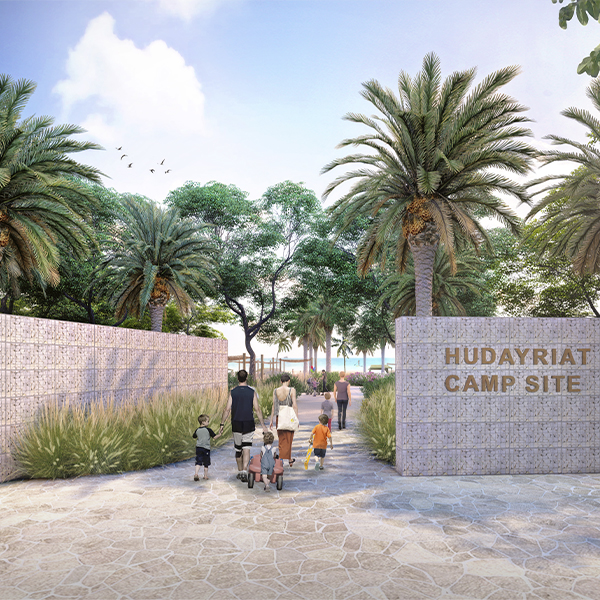
By combining a beach-front glamping site (Bab Al Nojoum), sports complex, lively restaurant zone and sensitive heritage walk, Hudariyat brings many aspects of landscape interpretation and education to a new generation in an accessible, engaging, immersive and innovative way.
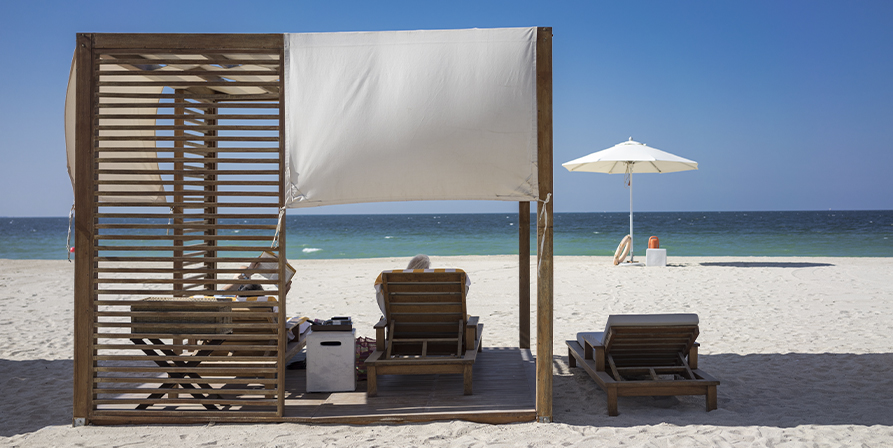
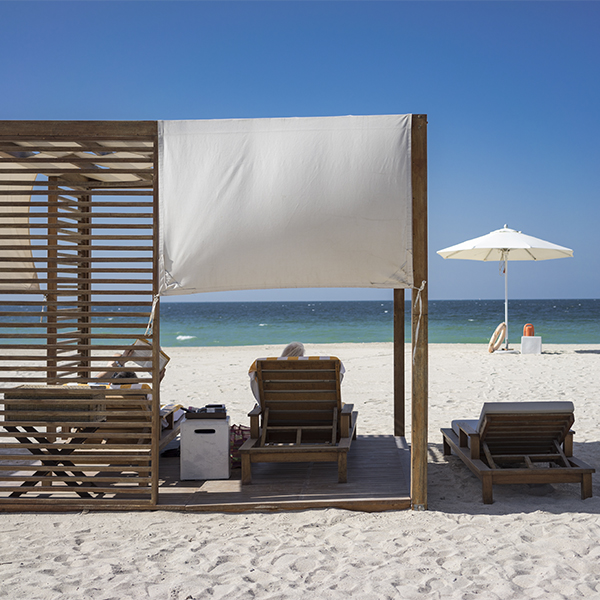
The festival lawn, play areas, beach cinema and community bonfire space reflect a relaxed rural vernacular. ‘Glamping’ tents, camper vans and tent pitches provide for both groups of friends and families to share in the ocean views, lush greenery, open skies and social atmosphere.
Mango House was originally built by celebrated photographer Gian Paolo Barbieri.
Cracknell assisted in transforming this magnificent private home into an exclusive boutique resort, maintaining the intimate feel and celebrating the life and work of Barbieri.
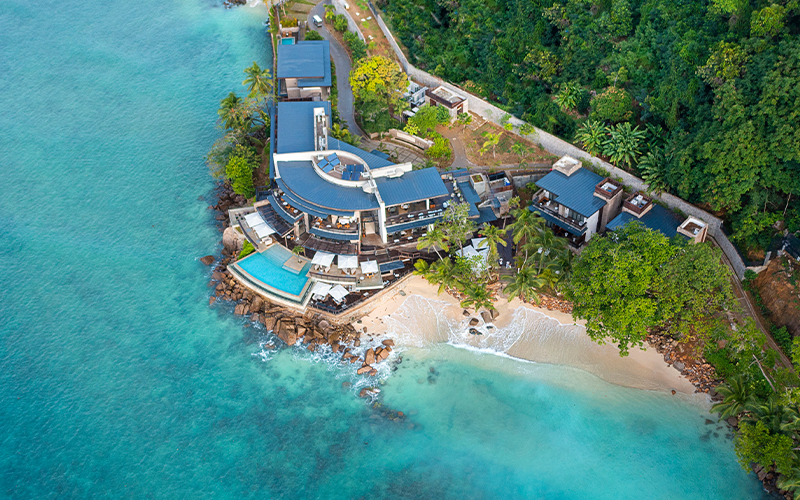
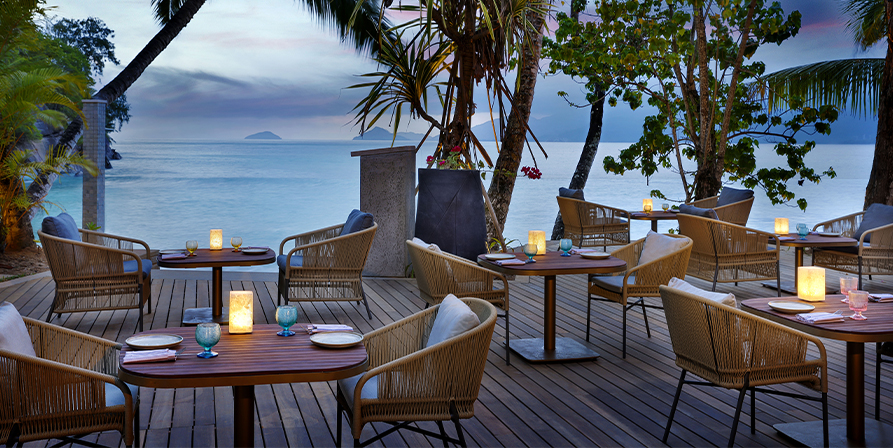
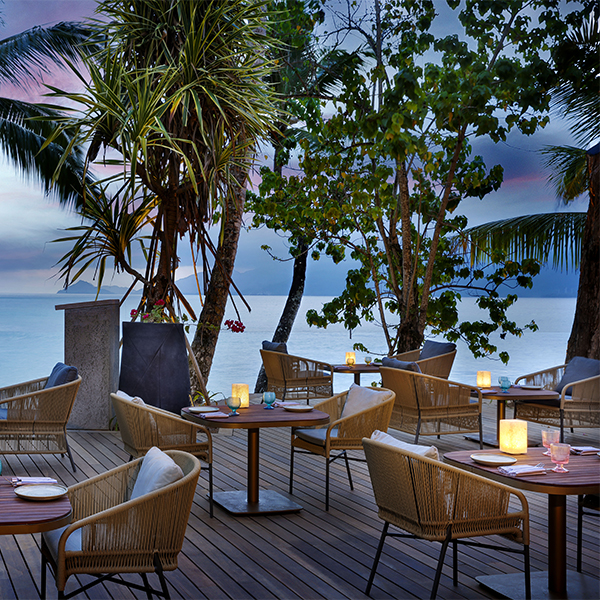
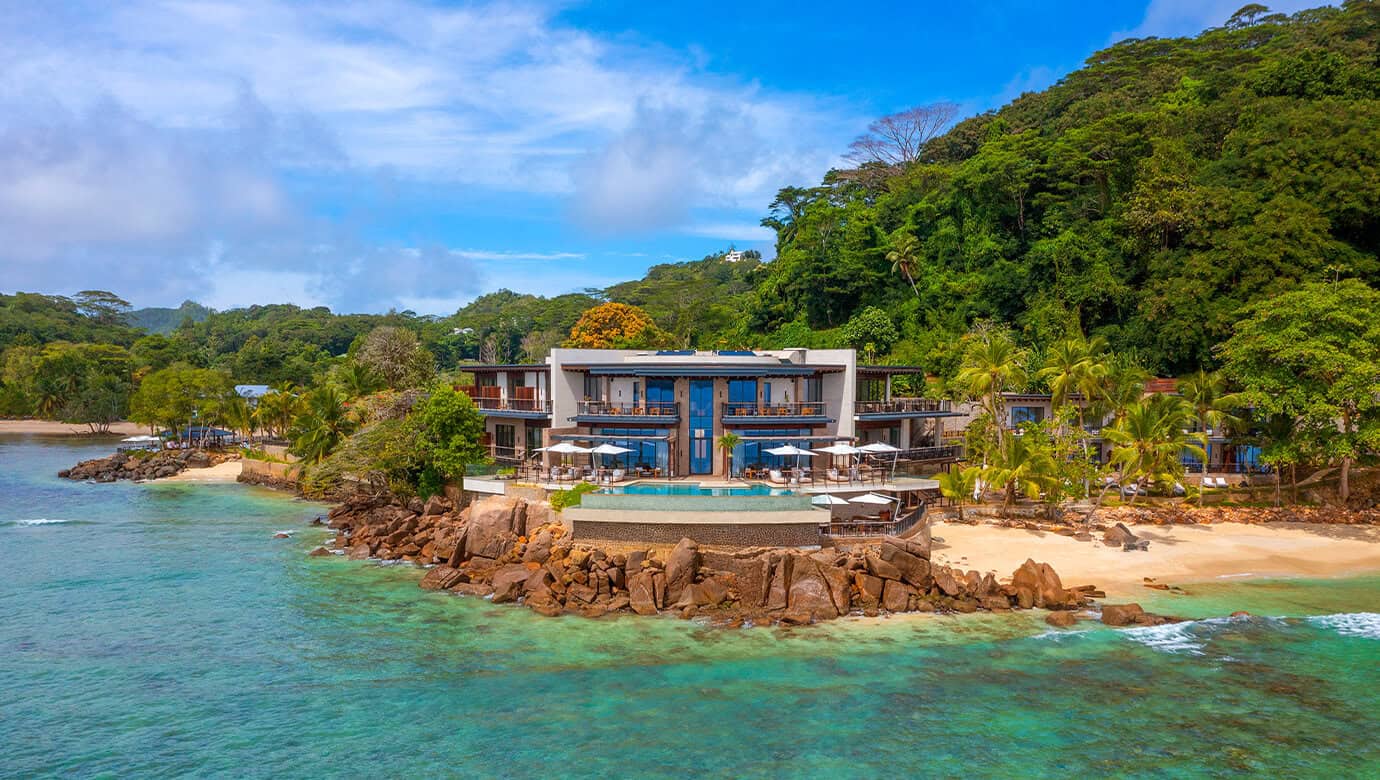
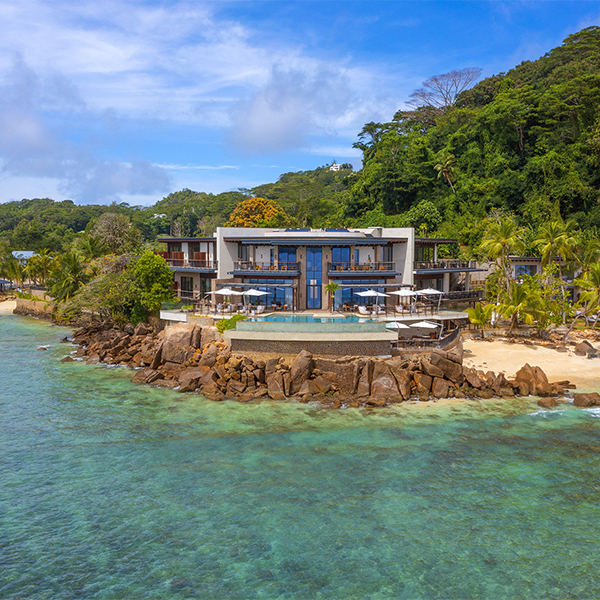
This stunning hospitality destination within the Al Zorah masterplan is framed by one million square metres of protected mangroves, with pristine white sand beaches and lagoons that nurture exceptional biodiversity, including sixty species of bird, a fish nursery and offshore coral.
The Resort has been thoughtfully designed as a retreat that offers sophisticated contemporary architecture, beautifully connected guest spaces, and a natural palette that harmonises with panoramic ocean vistas.
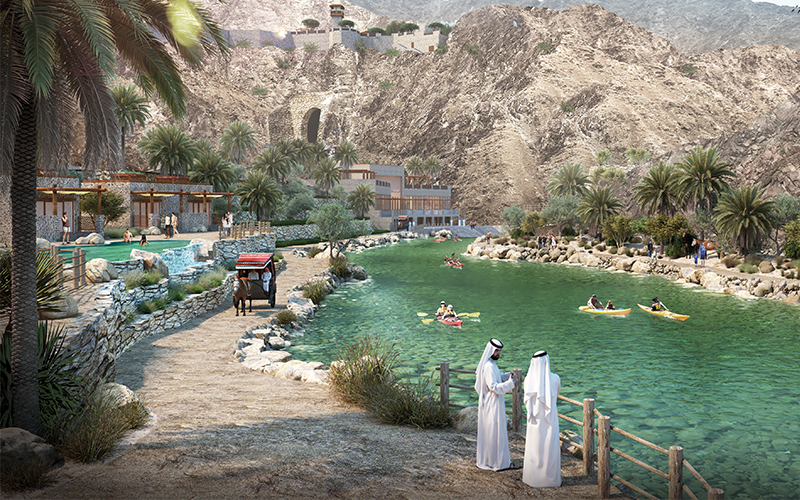
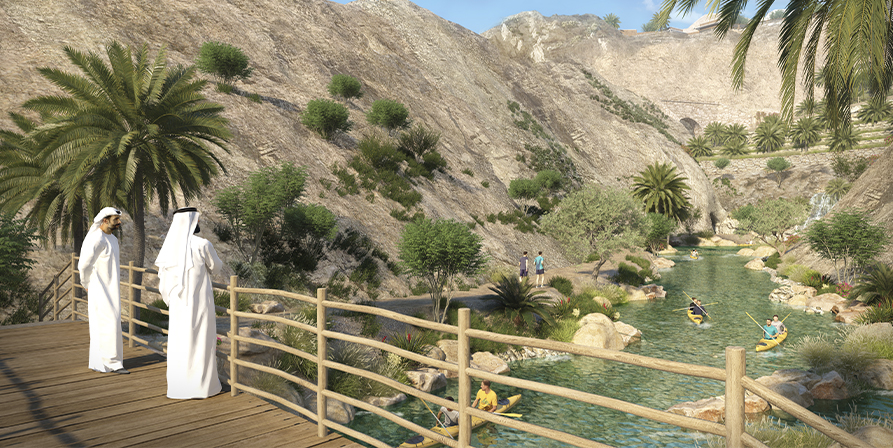
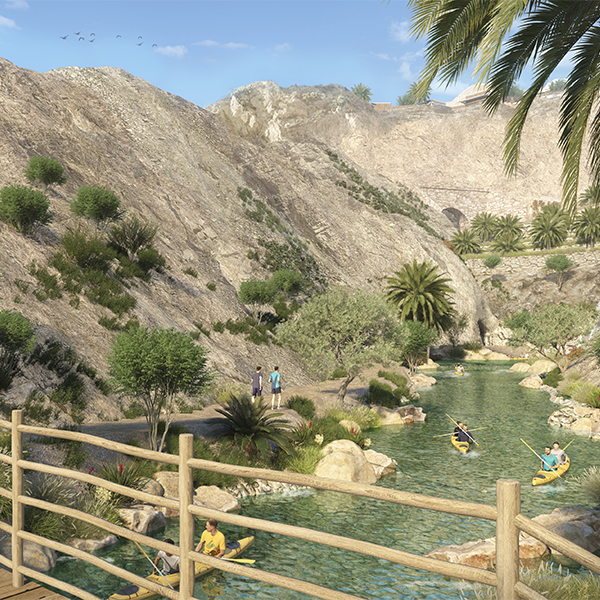
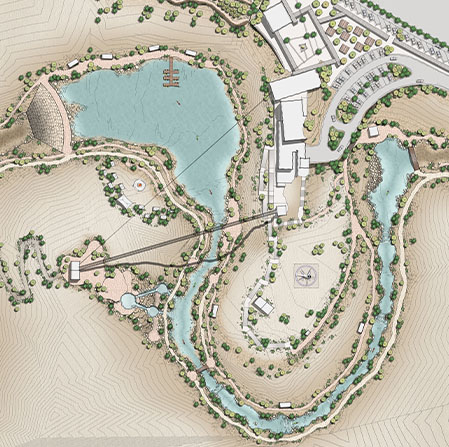
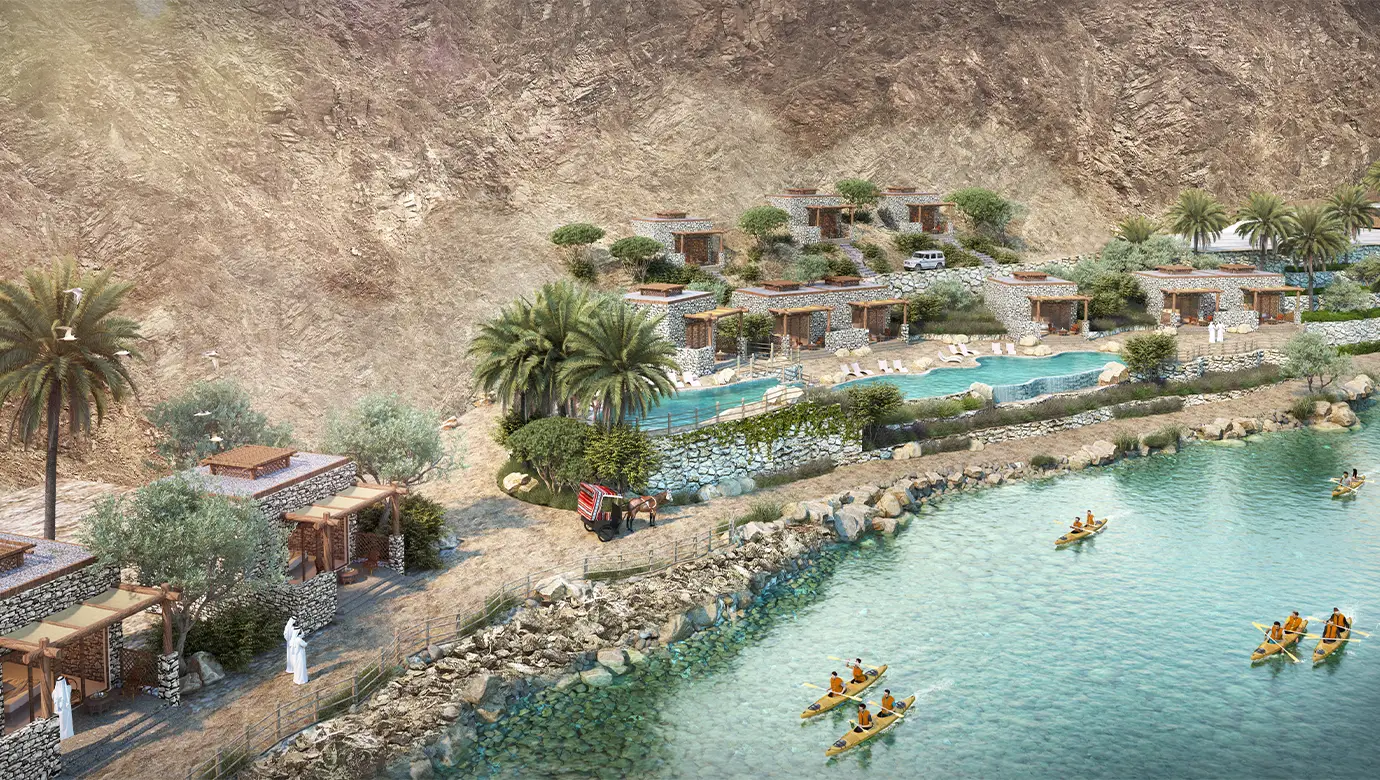
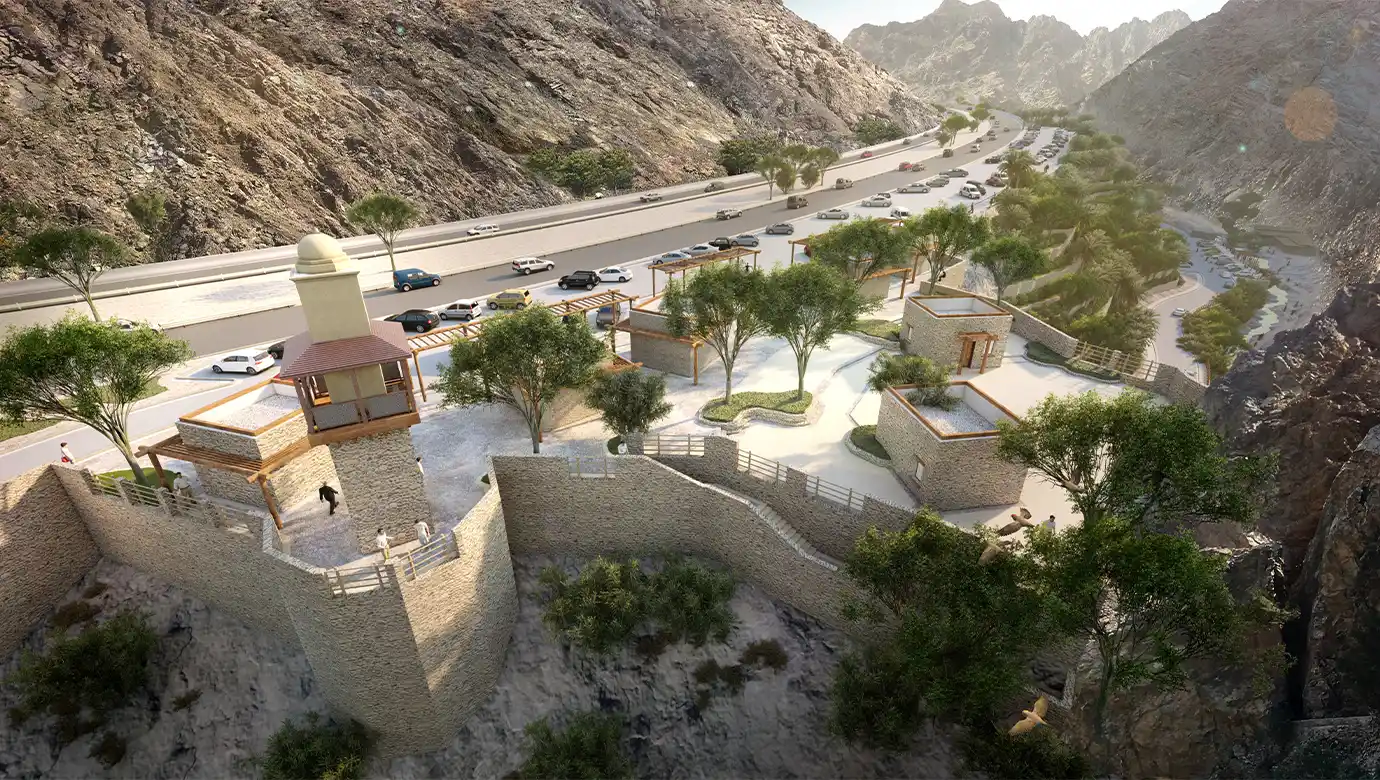
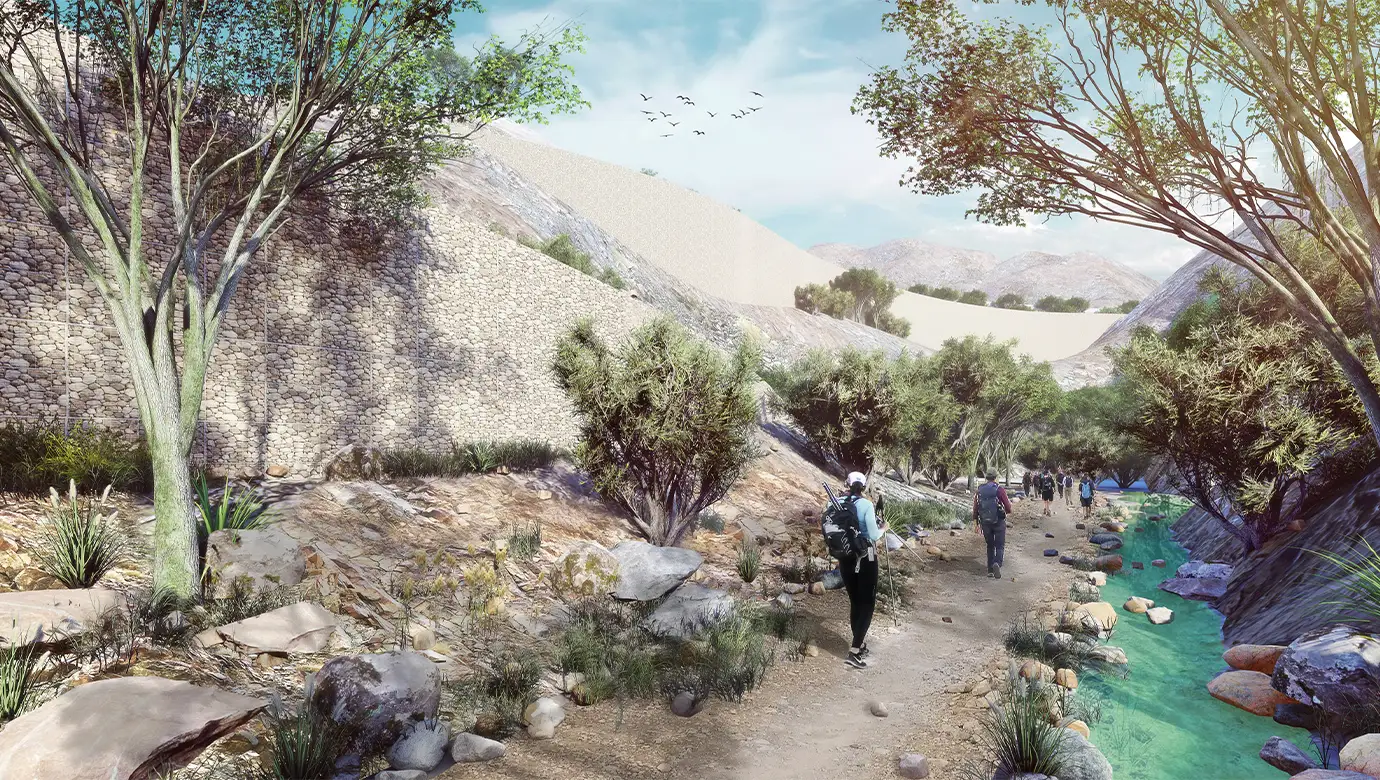
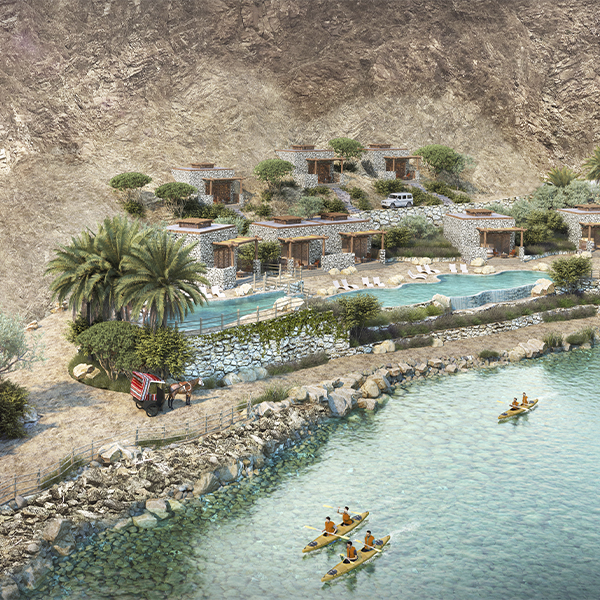
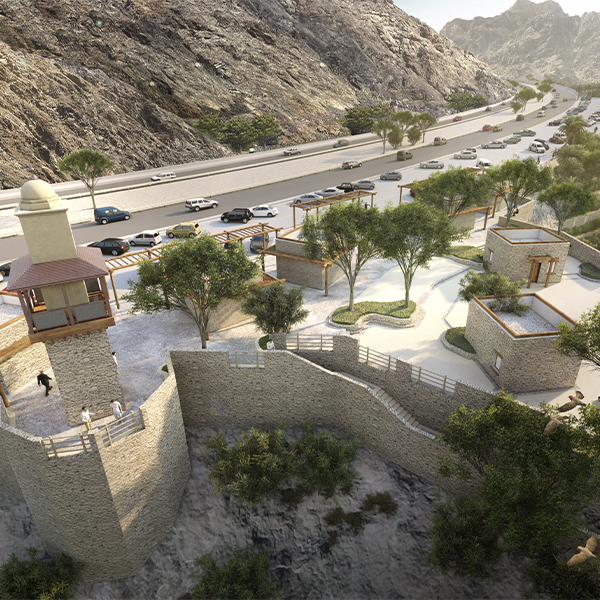
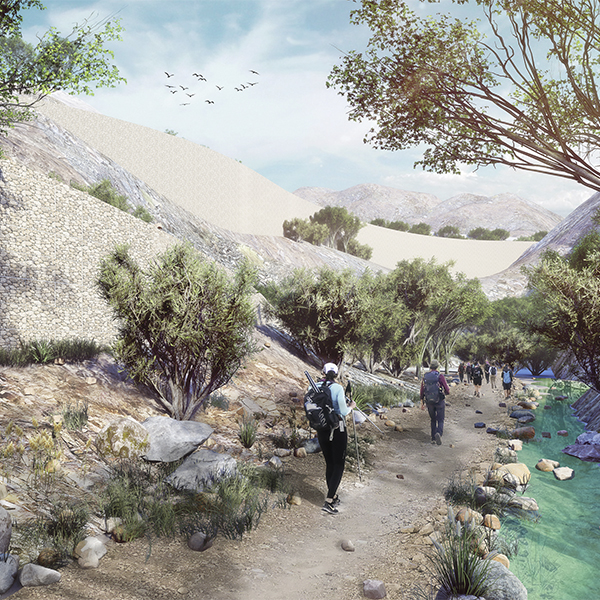
Nestled in the Khor Fakkan mountains, the Wadi Shis heritage and recreational development invites visitors to explore a traditional way of life with the help of contemporary interpretation and modern facilities.
A new highway and rest station accompany a newly activated wadi with controlled water retention, allowing visitors to kayak through an unfolding wadi landscape opening out to a dramatic reservoir. Use of local materials and building techniques preserve and enhance the historic local vernacular, creating a respectful and sensitive resort setting.
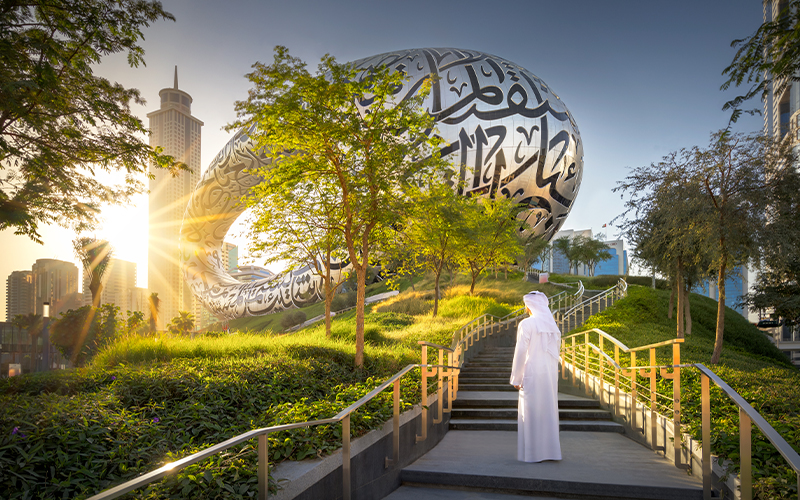
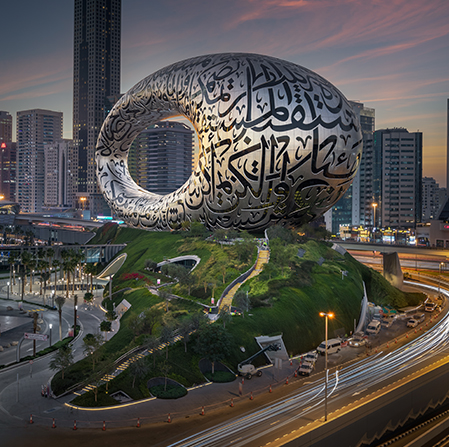
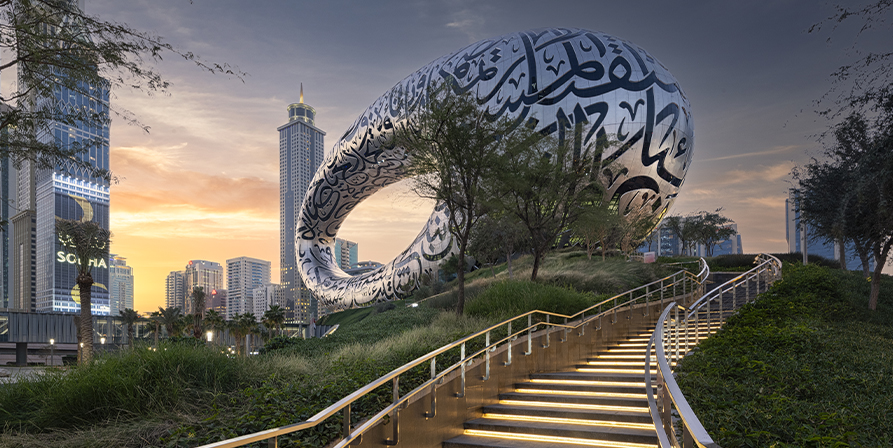
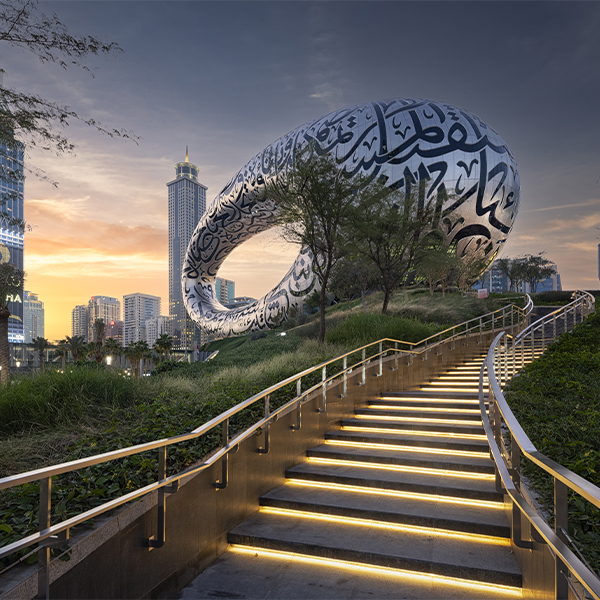
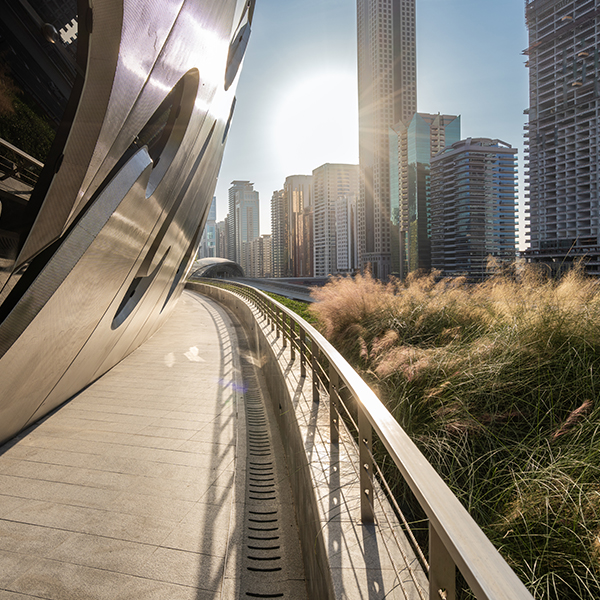
Hailed by National Geographic as one of the most beautiful museums in the World, Cracknell created a resilient landscape setting for this iconic building.
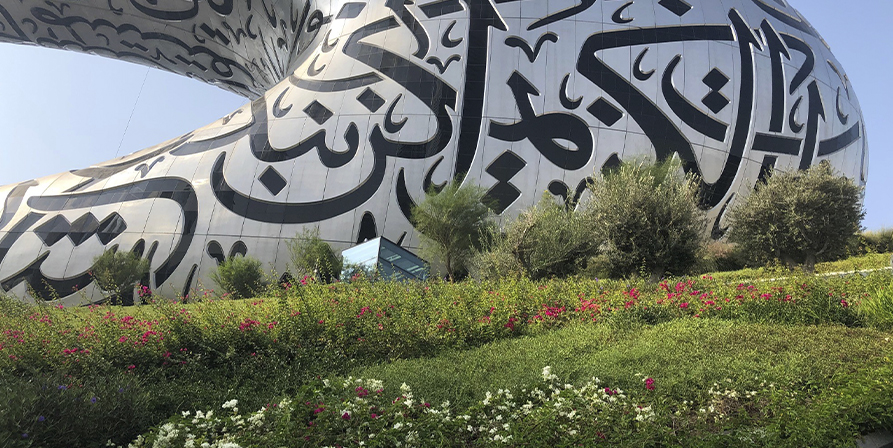
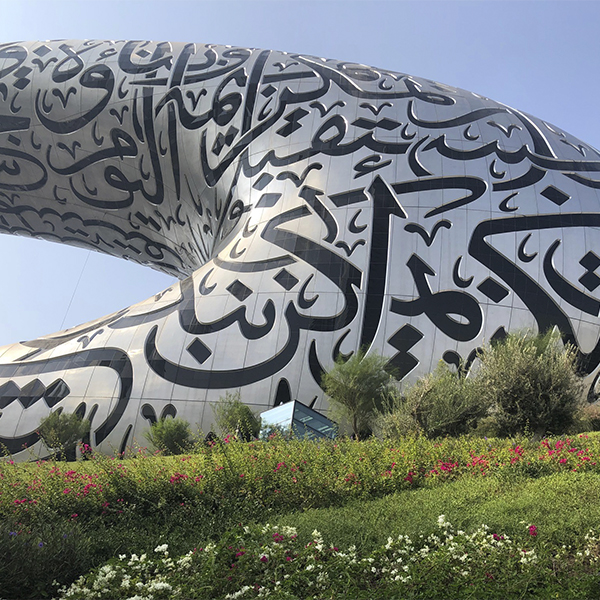
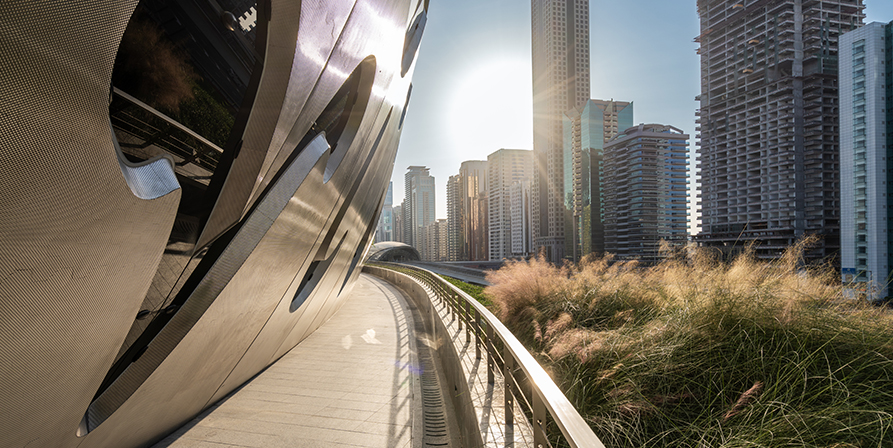
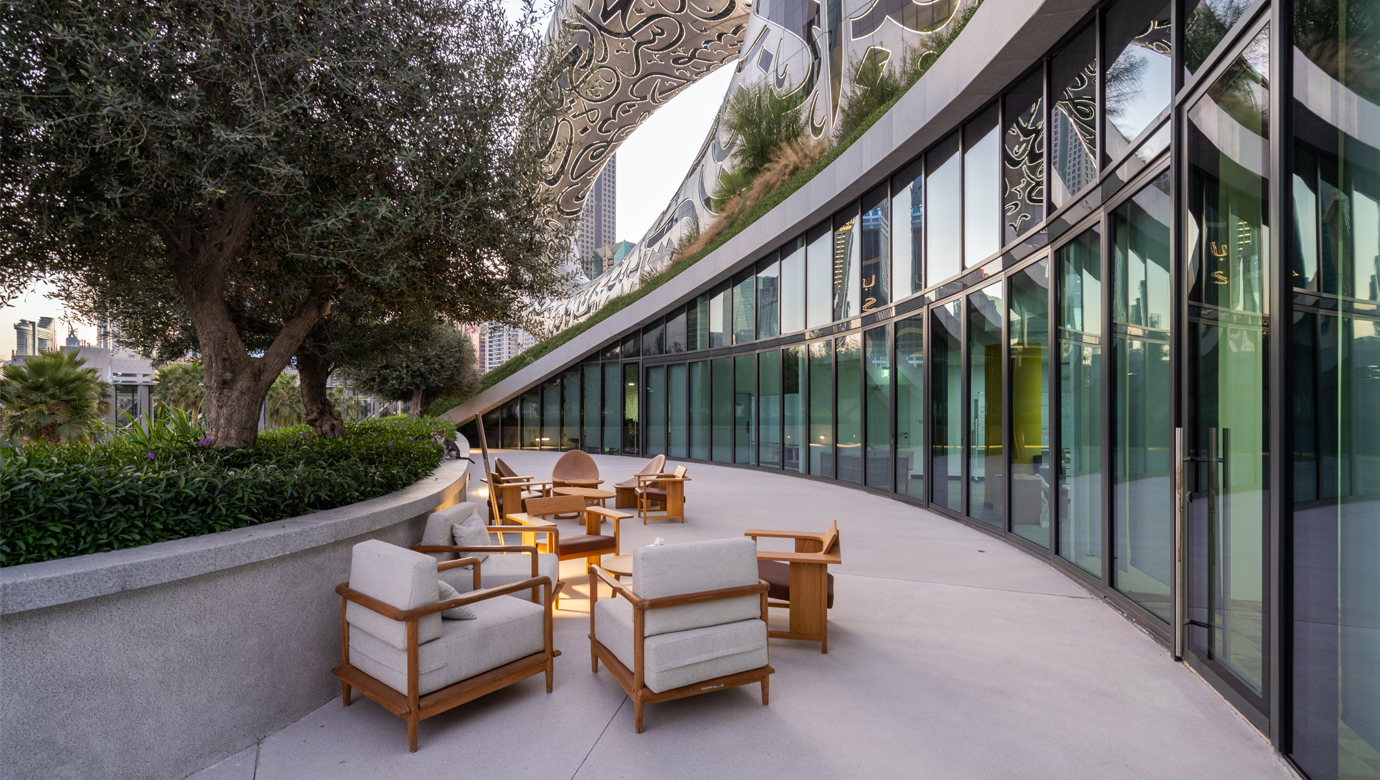
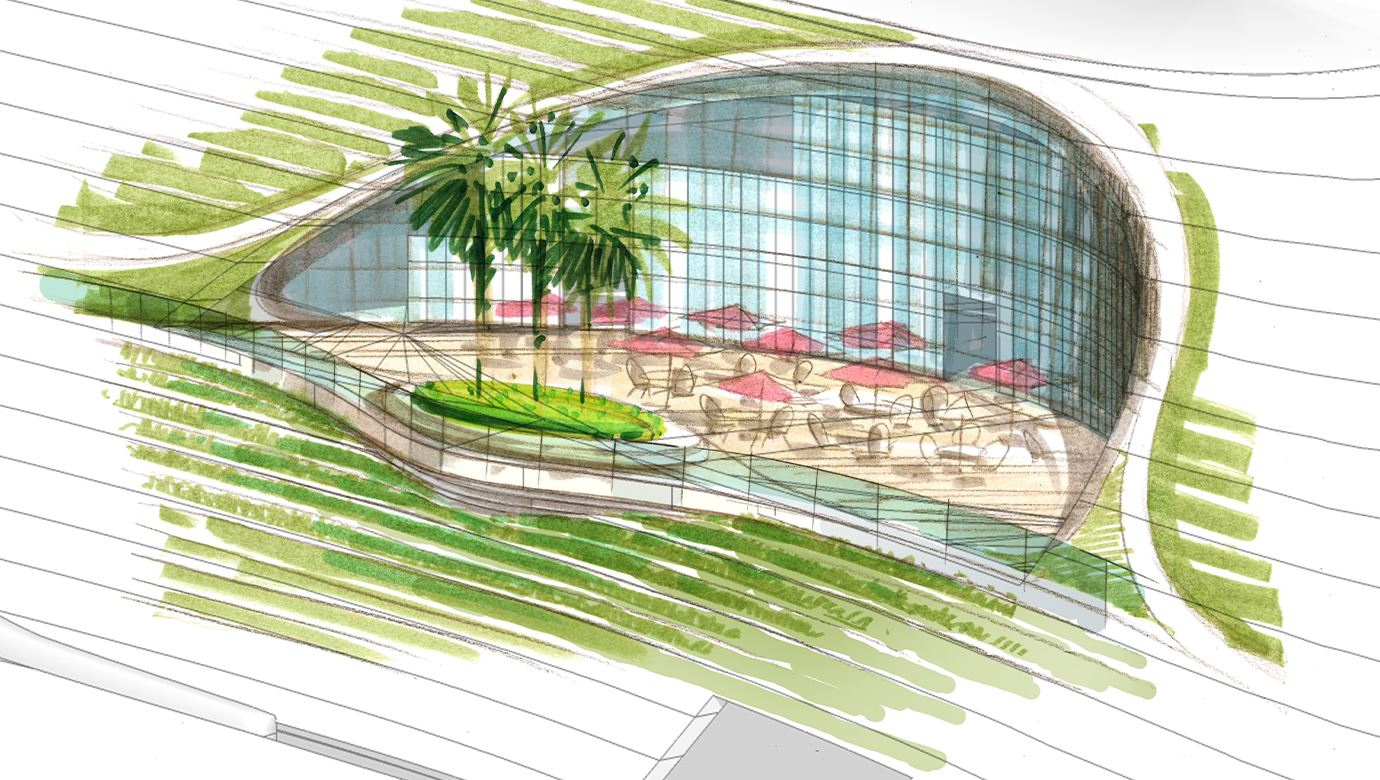
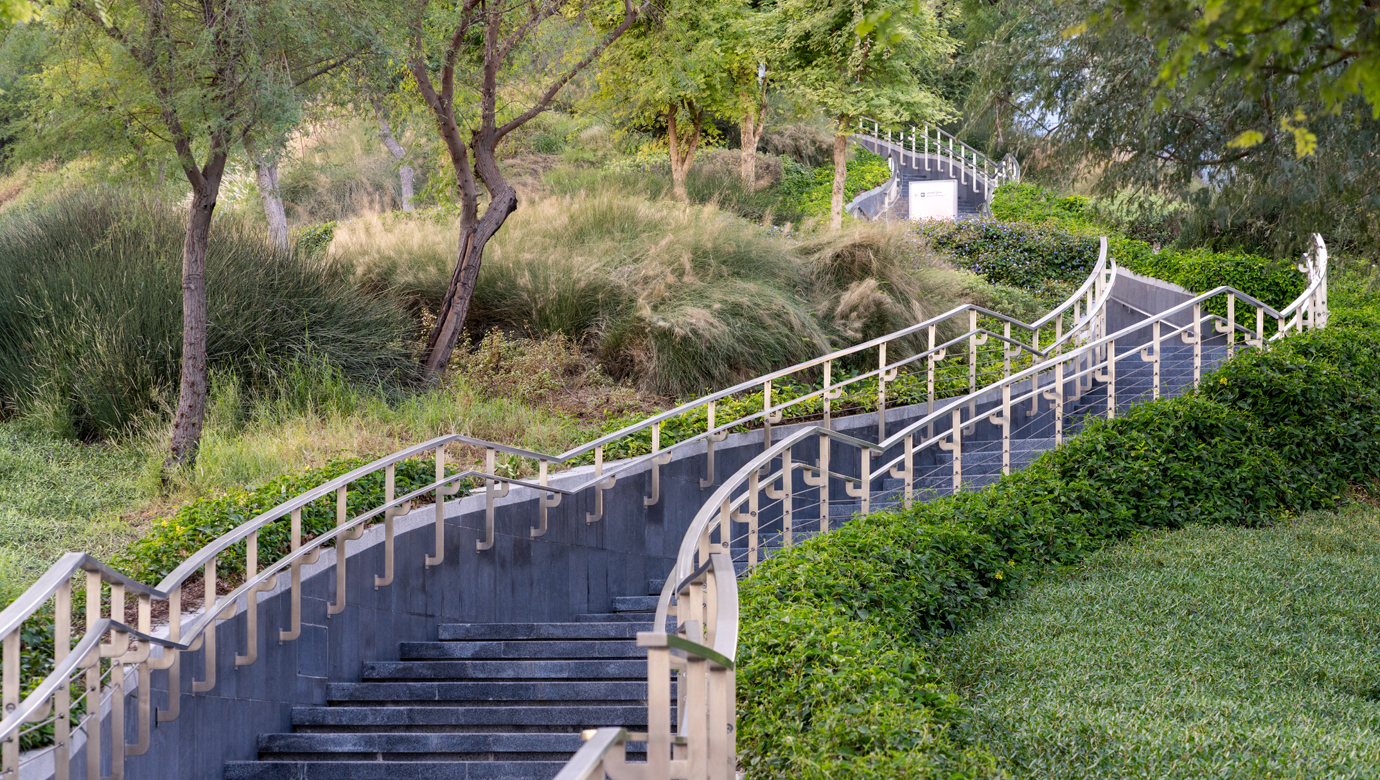
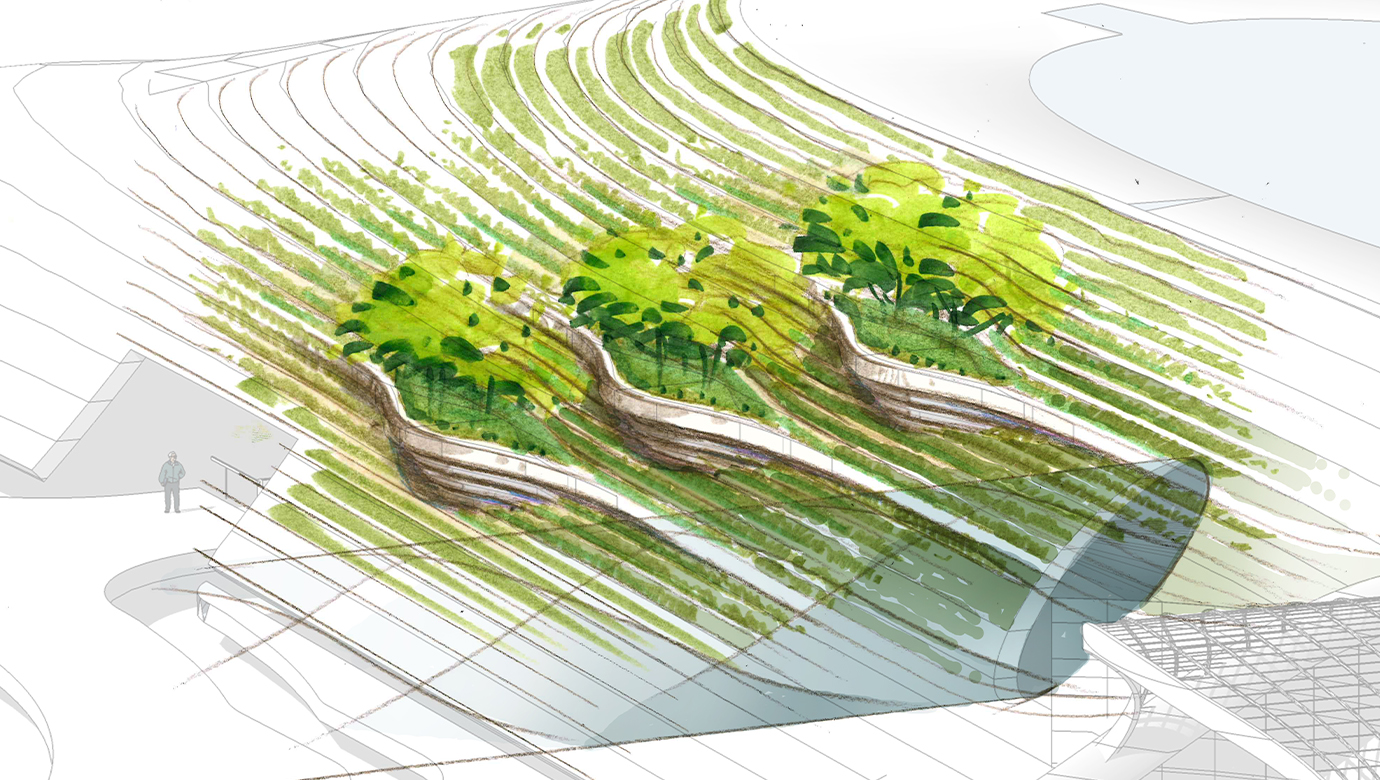
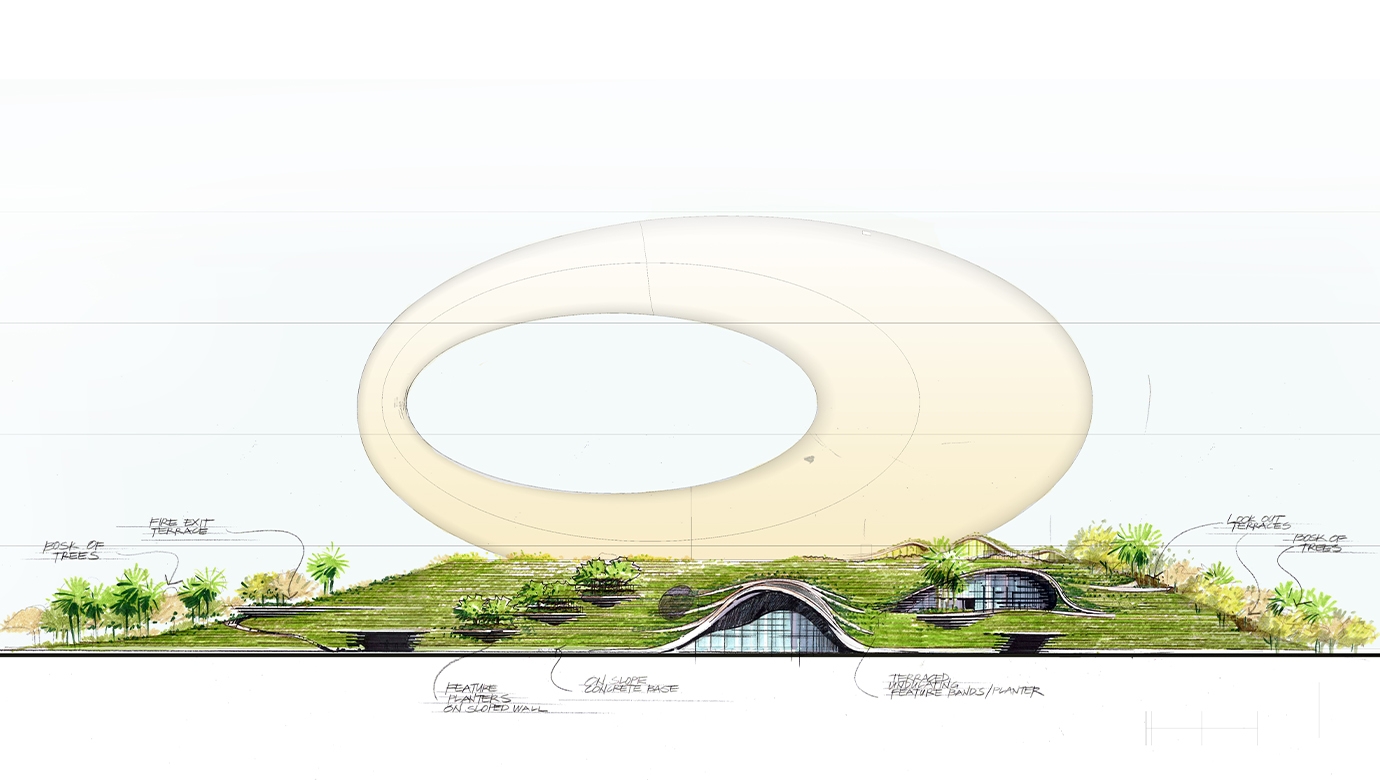
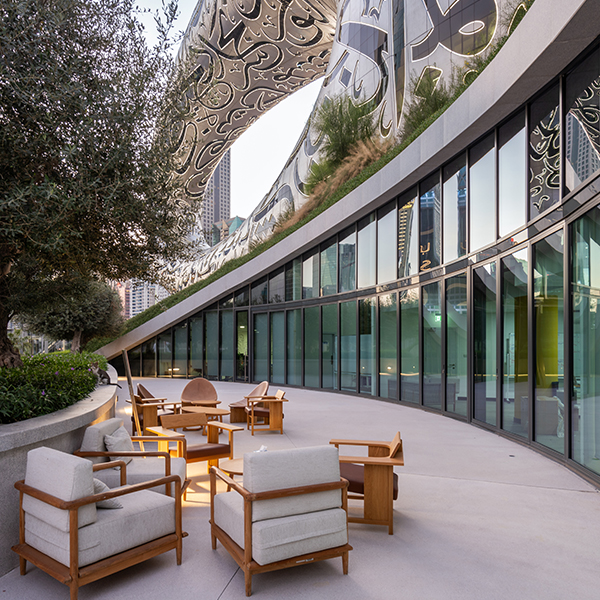
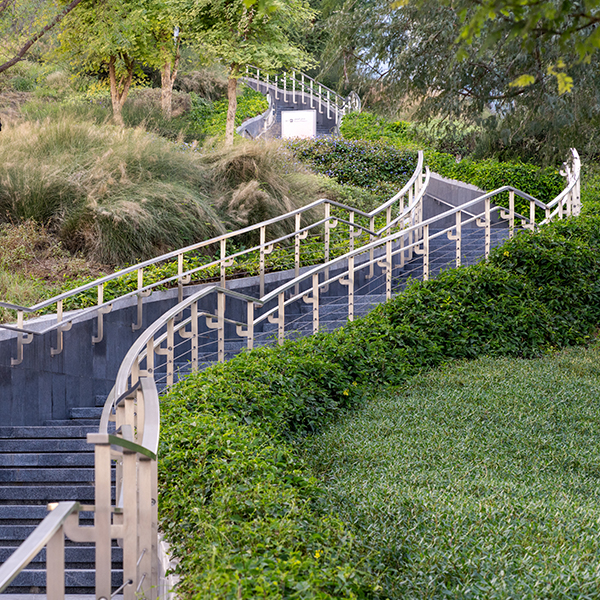
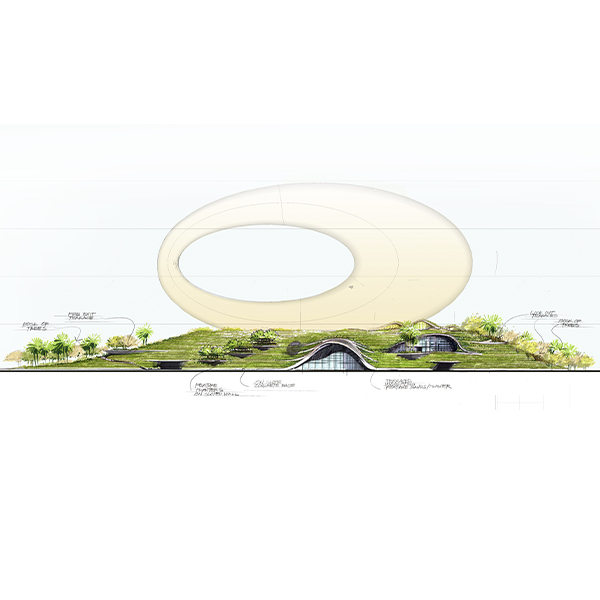
The Museum’s distinctive torus sits on a landscaped mound, a key part of the arrival experience that tells mankind’s story of the future. We worked closely with Killa Design on the complex forms and engineering systems so that our innovative and sustainable landscape is in keeping with the overarching goals of the Museum. Due to the nature of the design, landscape and architecture are highly integrated, with the landscape forming the ‘skin’ of the museum buildings located below the ‘mound’, including exhibition spaces, back of house facilities and parking. The illusion created is that of a sculptural building resting lightly on a natural hill which provides a distinct and arresting counterpoint to the intensely urban context. It is designed to allow visitors to enter through and climb up in order to experience an unusual view of the surrounding city.
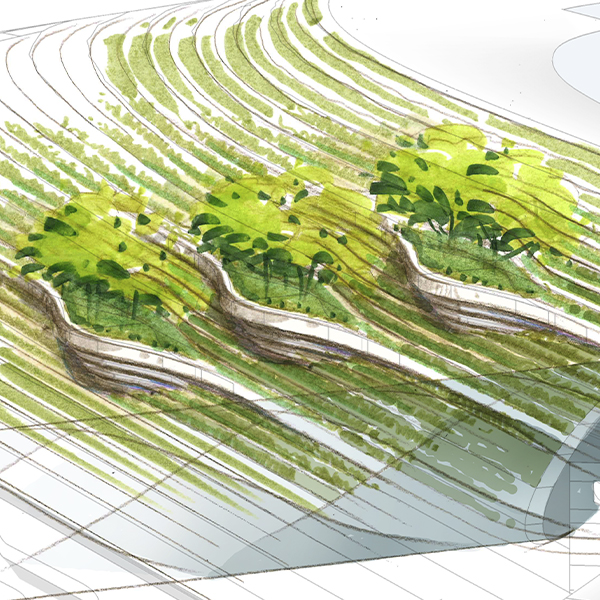
Standard landscape techniques for soil and planting medium retention could not be used on the steep mound; green wall technology together with a recycled-material geocell system were used to retain and stabilise the slopes, in conjunction with specialised smart irrigation drip-line systems using grey/treated sewage water. All of these elements were contained within an engineered ‘sandwich’ that clothed the mound in a living green carpet.
Most of the plant species used are native or drought/salt tolerant, are perfectly adapted to local environmental conditions and require minimal water/fertilizer to sustain them. The trees produce masses of nectar rich flowers supporting native bees, and seasonal fruits for wild bird populations.
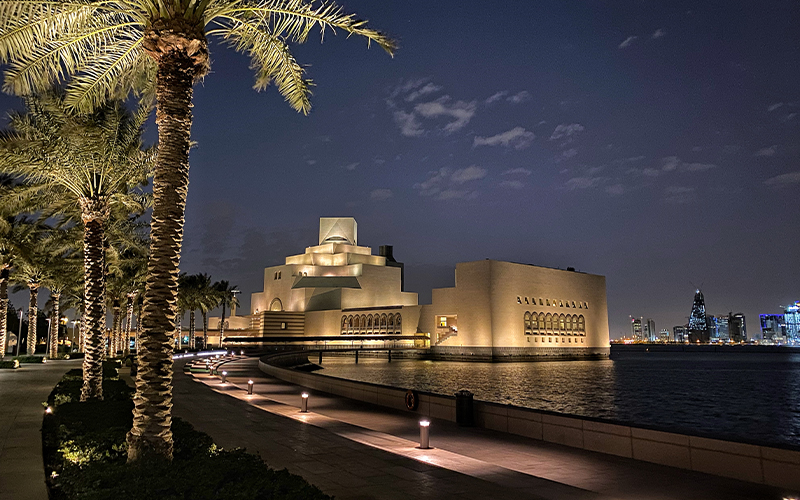
The landscape setting for I.M. Pei’s iconic art museum bridges Islamic history and Doha’s urban growth.
The Museum of Islamic Art in Doha is a stunning space that showcases an extensive range of art and artefacts from the Islamic world, offering conservation displays and immersive exhibitions. Set on an island off a peninsula, the Museum is composed of two cream coloured limestone buildings connected across a central courtyard and encircled by an informal park.
The landmark building draws influences from ancient Islamic architecture, a theme that is extended throughout Cracknell’s landscape design which links the Museum to Doha Harbour. The surrounding park includes seating and relaxation areas, a function lawn and dynamic waterfront promenade providing framed views of the Museum.
Celebrating Saudi natural landscapes in a futuristic setting.
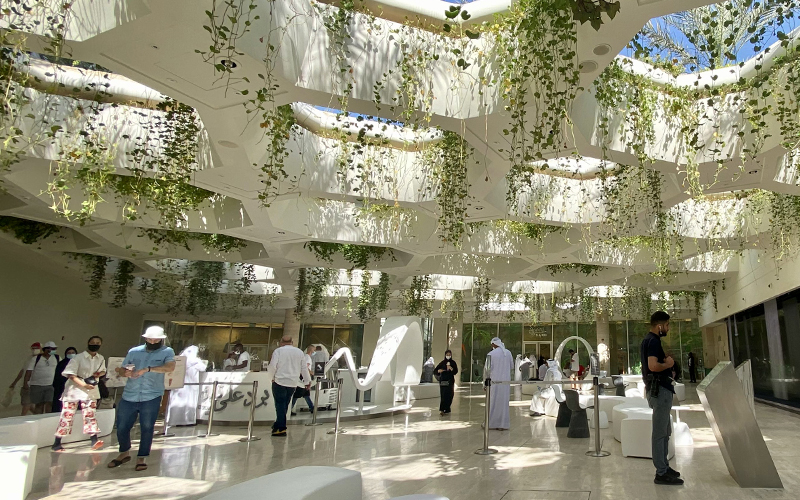
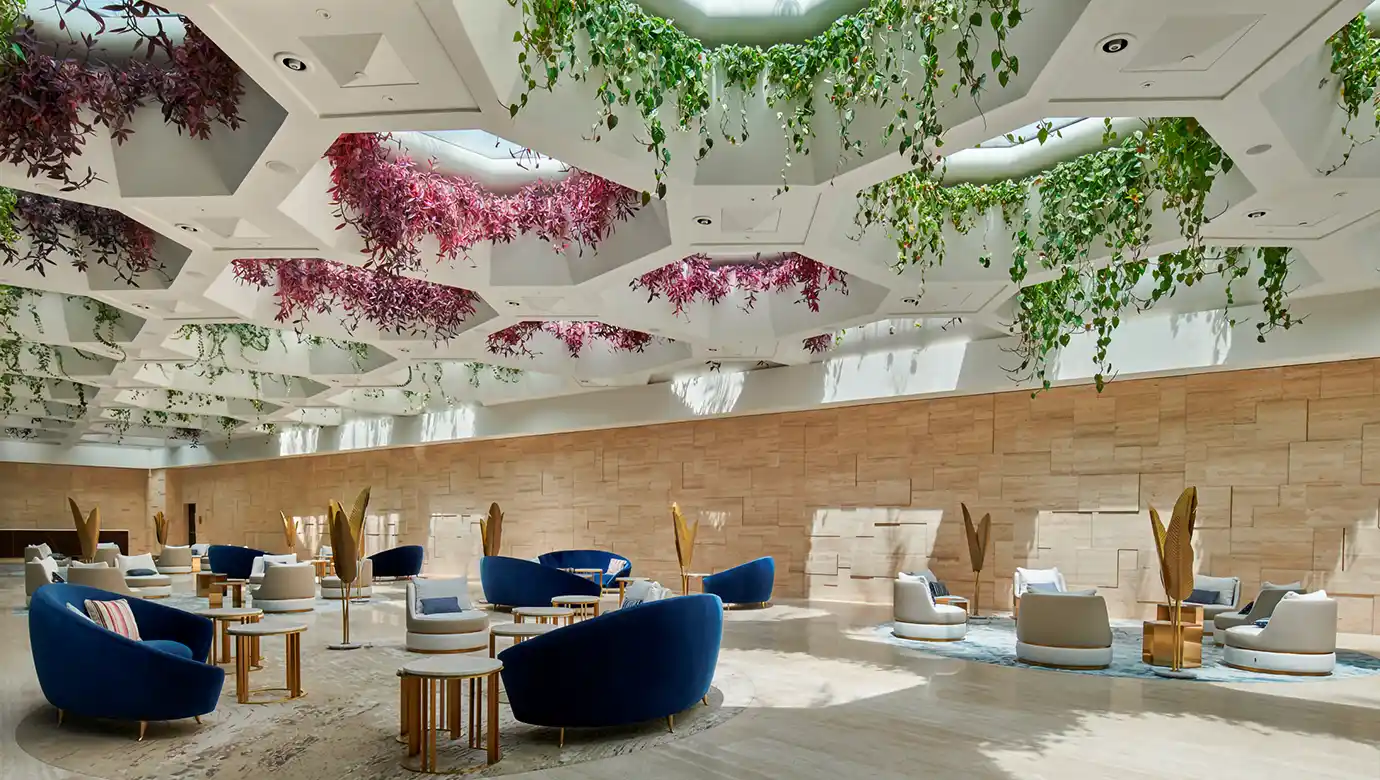
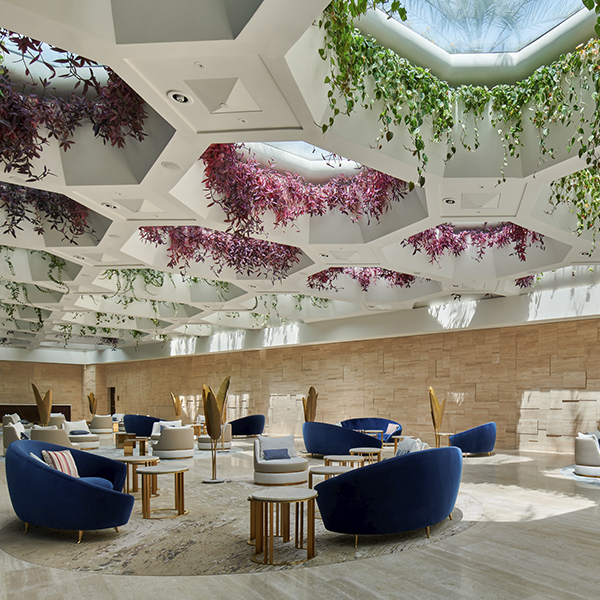
Palms beyond the skylights filter the Dubai sun in soft shadows over elegant hanging gardens with cascades of yellow Maiden’s jealousy and pink Sweet Potato Vine to create a cool and relaxing environment.
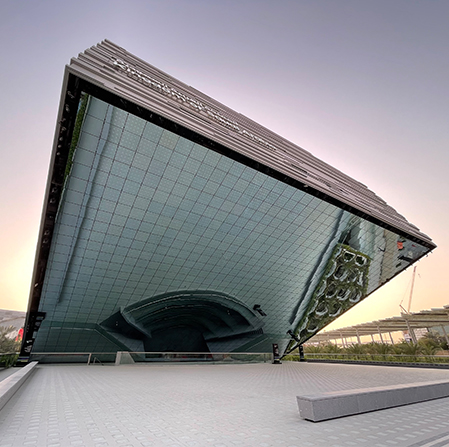
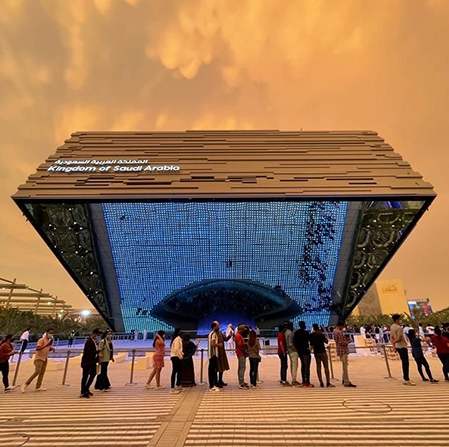
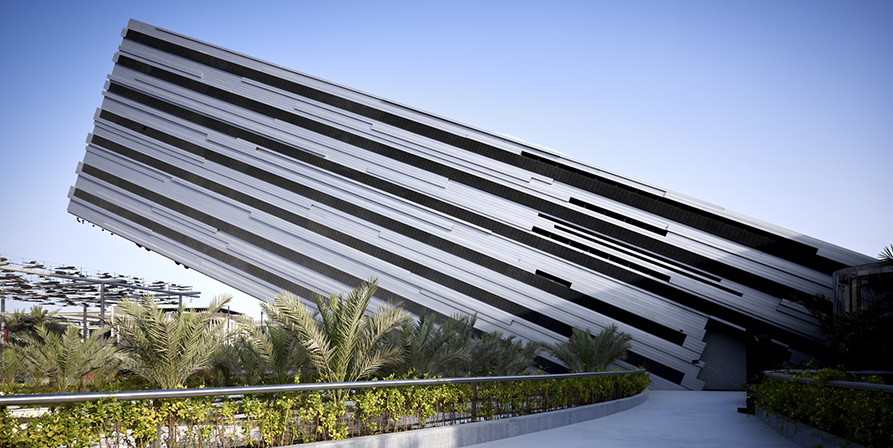
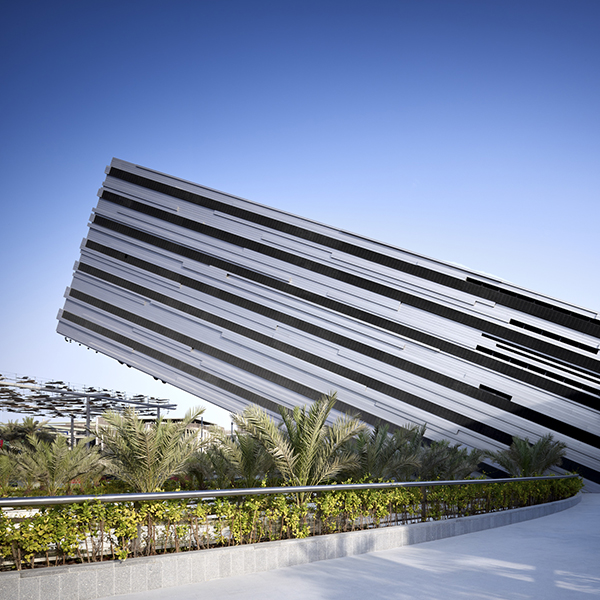
The EXPO 2020 Dubai KSA Pavilion cantilevers over terraces of native trees, flowering shrubs and hanging gardens. Working closely alongside Boris Micka Architects (BMA) on the interaction of the architecture with the landscape we ensured a consistent design language. The Vision was for an inspirational journey showcasing the Saudi Kingdom and its ‘Natural Wonders’.
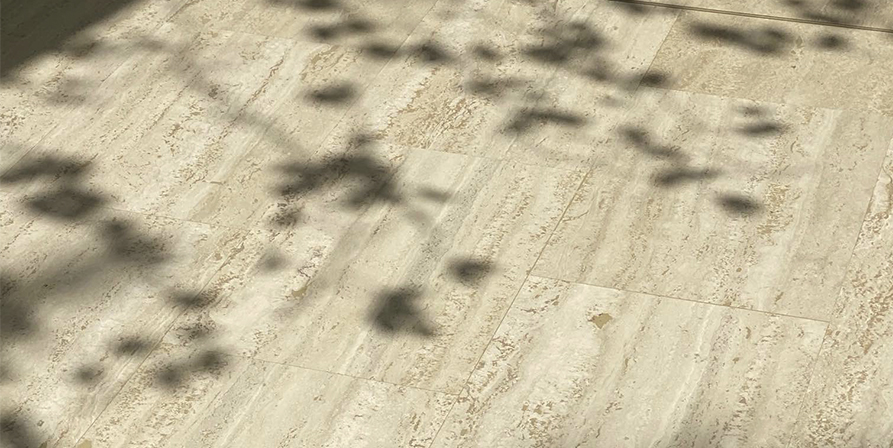
On arrival, a shaded events Plaza provides seating for audio-visual displays and folklore performances. A refined palette of locally sourced grey granites and natural stone allows the Pavilion and surrounding gardens to ‘sing’ their true colours, especially at night when there are projections and LED displays.
Surrounding the Pavilion, an oasis of KSA native date palms is planted with a colourful understorey. The palms are arranged on an intricate grid that allows dappled light to filter into the exhibition spaces below where cascading greenery creates a cool environment. A particular challenge was to suspend the palm gardens in a complex spanning steel structure; we successfully developed a water efficient automatic irrigation system and drainage to the trees.
Inside the Pavilion, a contemplative dry garden epitomises Saudi Arabia’s natural Wadis. Palms help to contain the tranquil garden and sensitively conceal back of house facilities while a mirrored green retaining wall reflects the garden back on itself, adding visual delight. After EXPO the Pavilion will remain as an enduring legacy of the World Fair.
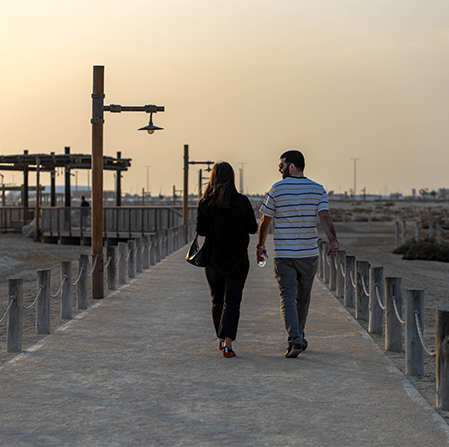
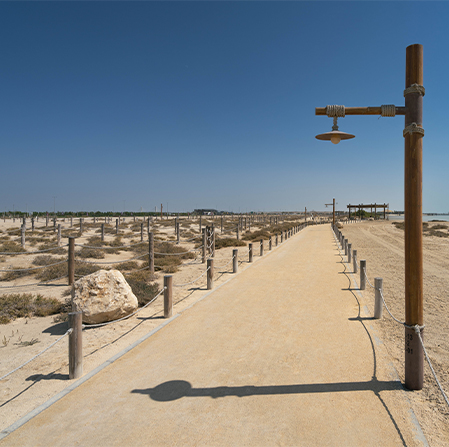
Hudayriyat Island was once home to Arabian pearl divers. Now, it’s a remarkable new community and lifestyle destination.
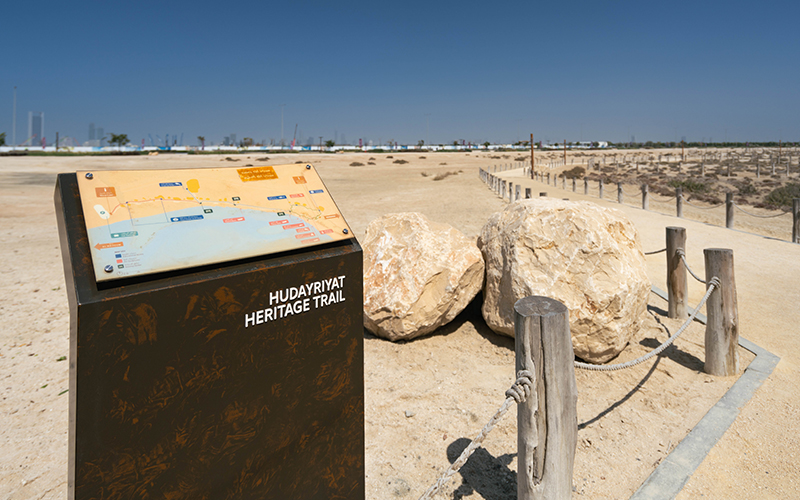
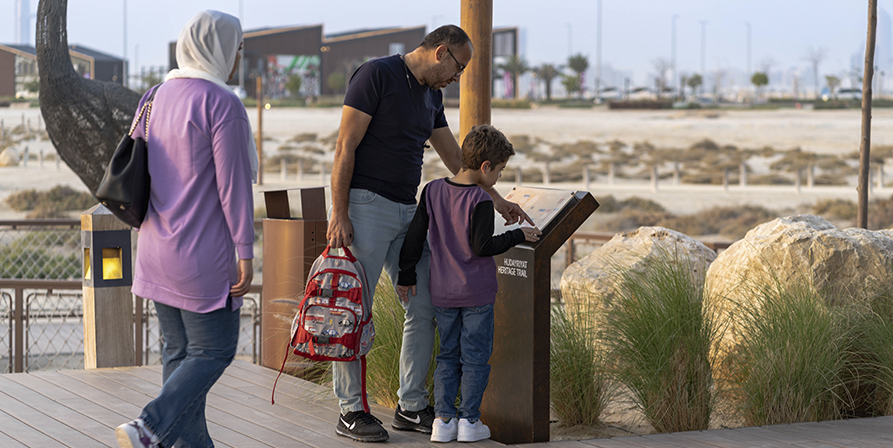
By combining a sensitive coastal heritage walk, a beach-front glamping site, sports complex and lively restaurant zone, Hudayriyat brings many aspects of landscape interpretation and education to a new generation in an accessible, engaging, immersive and innovative way.
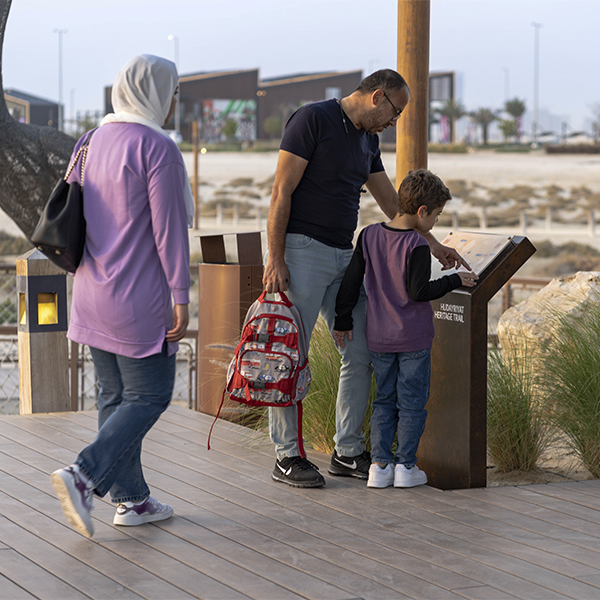
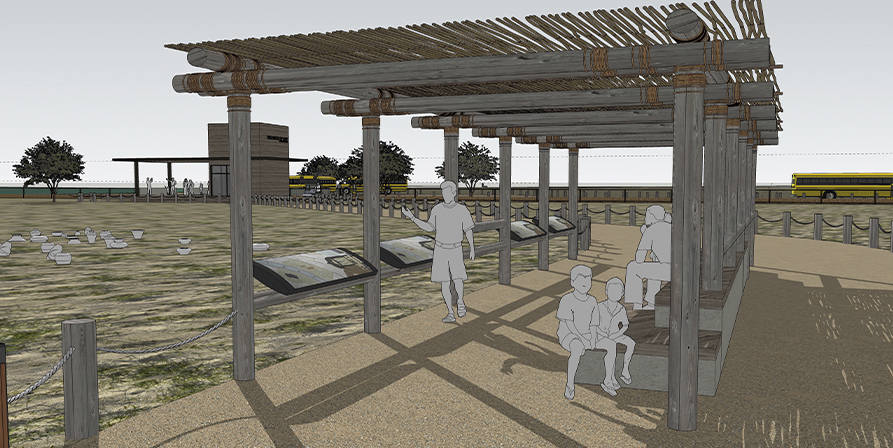
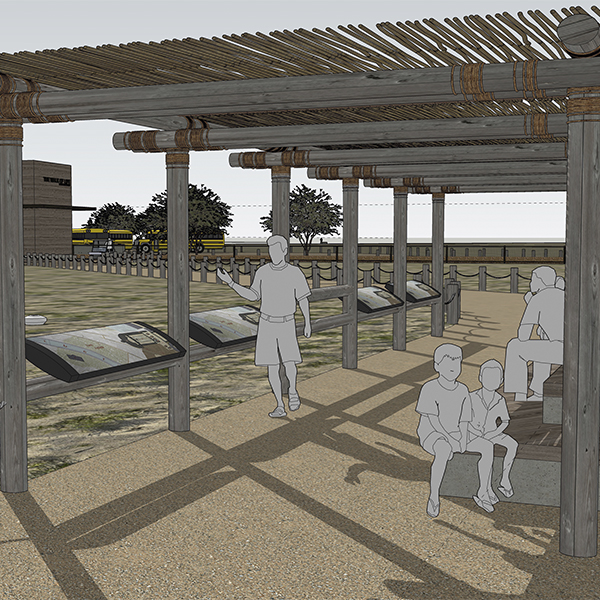
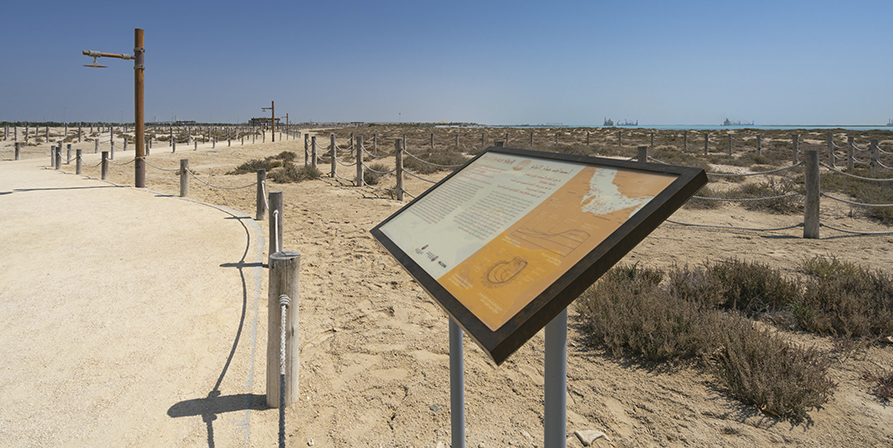
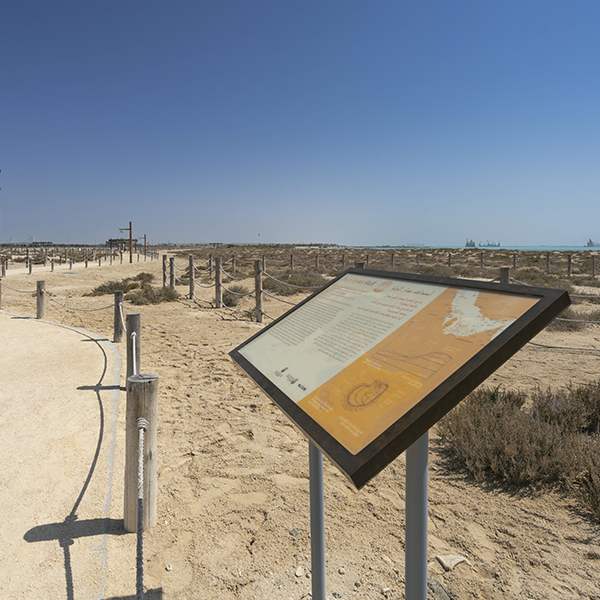
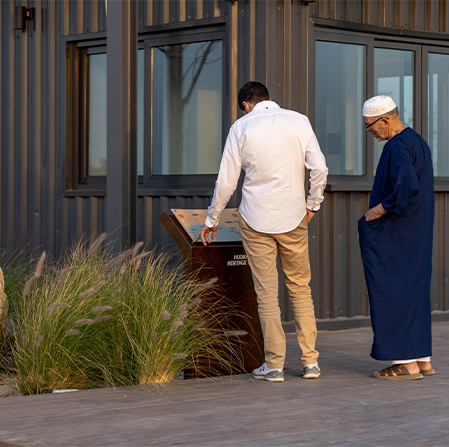
The ‘Walk of Life’ heritage trail protects important archaeological remains. Shell middens show evidence of pearl fishermen, and dugong & shark remains demonstrate the importance of marine resources in the past. Shaded interpretation nodes and sensitively placed boardwalks provide access to this fascinating history.